
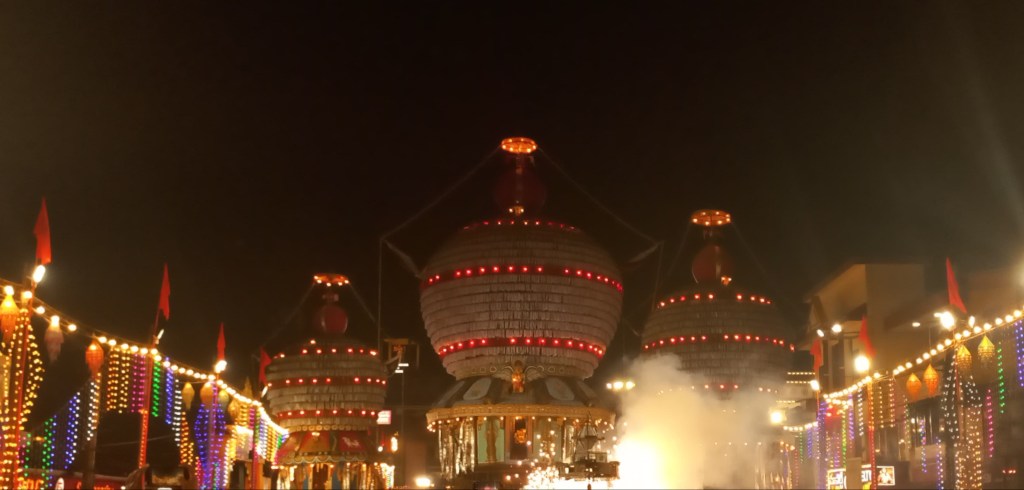
In the heart of Karnataka, India, a unique and mesmerizing tradition unfolds each year in the coastal town of Udupi. This is the Paryaya Festival, an event steeped in centuries-old customs, spiritual significance, and vibrant artistic expressions. Held at the renowned Sri Krishna Matha temple, the festival marks the biennial change of administration and worship rights among the Ashta Mathas, or eight monasteries, of Udupi.
Every two years, one of the eight mathas assumes responsibility for the temple, a rotation system established by the 13th-century philosopher-saint, Madhvacharya. The Paryaya Festival is the ceremonial handover of these duties, a grand spectacle that draws thousands of devotees and curious visitors alike. It is a time of renewal and celebration, reflecting the enduring spiritual traditions of the region.
The preparations for Paryaya begin months in advance. The incoming Swamiji, or head monk, engages in rigorous spiritual practices, including meditation, fasting, and scriptural study. This period of preparation is essential, as it ensures that the Swamiji is spiritually ready to take on the sacred responsibilities of the temple.
As the day of the festival approaches, the town of Udupi comes alive with activity. Streets are decorated with colorful banners and flowers, and the air is filled with the sounds of traditional music and the chants of devotees. The temple itself is adorned with intricate floral arrangements and vibrant decorations, transforming it into a visual feast that captivates all who behold it.
The festival day begins before dawn, with a grand procession known as the “Paryaya Rathotsava.” The outgoing and incoming Swamijis, along with a retinue of monks and devotees, proceed through the streets of Udupi in a beautifully decorated chariot. The procession is accompanied by musicians playing traditional instruments like the nadaswaram and mridangam, their melodies resonating through the early morning air. The sight of the richly adorned chariot, coupled with the rhythmic sounds of the music, creates an atmosphere of reverence and joy.
Upon reaching the temple, the ceremony of “Paryaya Peetha Roha” takes place. This is the formal transfer of the administration, where the outgoing Swamiji hands over the keys to the temple and the sacred idol of Lord Krishna to the incoming Swamiji. This ritual is performed with great solemnity and devotion, symbolizing the continuity of tradition and the unbroken lineage of spiritual leadership.
Following the official handover, the new Swamiji performs a series of elaborate rituals and offerings to Lord Krishna, seeking blessings for a successful tenure. The temple’s sanctum sanctorum is a hive of activity, with priests chanting Vedic hymns and performing intricate rituals. Devotees throng the temple, offering prayers and seeking blessings from the newly anointed Swamiji.
Throughout the day, the celebrations continue with cultural performances, including classical music and dance, traditional folk arts, and religious discourses. The entire town participates in the festivities, creating a sense of communal harmony and shared devotion. The Paryaya Festival is not only a religious event but also a cultural extravaganza that showcases the rich artistic heritage of Karnataka.
In the evening, the temple hosts a grand feast, or “Annadanam,” where thousands of devotees are served sumptuous meals. This tradition of feeding the masses is an integral part of the festival, embodying the spirit of hospitality and generosity that is central to Hindu culture.
The Paryaya Festival is a profound blend of spirituality, art, and community. It is a celebration of continuity and change, of ancient traditions being handed down through generations. The meticulous rituals, the vibrant processions, and the heartfelt devotion of the participants all contribute to the festival’s unique charm. For those who witness it, Paryaya is a reminder of the enduring power of faith and the beauty of a community coming together in celebration of their shared heritage.
 ARTMO MAG
Leave a comment