
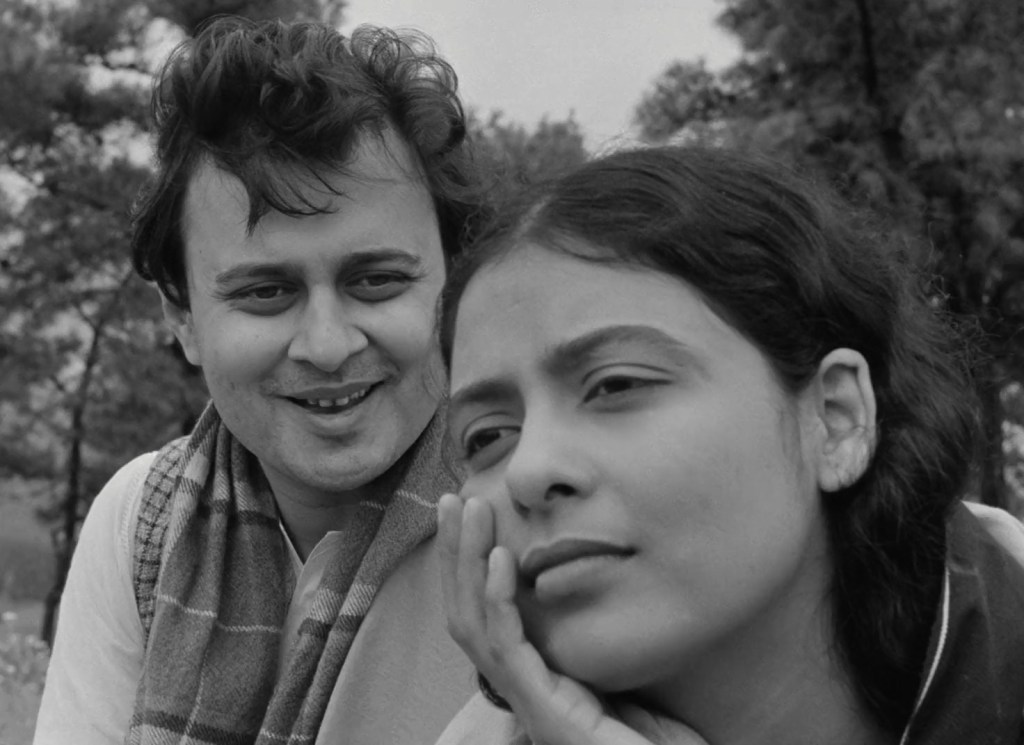
In Bengali cinema, “Meghe Dhaka Tara” stands out as a profound cinematic experience, brimming with emotion, historical depth, and existential turmoil. Directed by the visionary Ritwik Ghatak in 1960, this film delves into the socio-political aftermath of the Partition. Moving beyond conventional storytelling, the film intricately explores the themes of sacrifice, familial obligation, and existential sorrow.
The story follows Nita, who is compelled to support her family amidst these sweeping changes. As refugees, her family embodies the struggles of countless others, facing new socioeconomic challenges in West Bengal. Ghatak uses this setting not just to tell a personal story but to highlight the broader impact of Partition on Bengali society. The stark changes in their lives — from a stable middle-class existence to precarious survival in a new land — are painted with vivid details that capture the era’s harsh realities and the emotional landscape of its people.

Nita, the central figure of the film, is crafted with layers of complexity and realism. Her journey is depicted with an intense sense of responsibility and burden as she becomes the main economic support for her family.
Each scene peels back layers of her character, revealing a young woman of depth and complexity, caught between personal aspirations and familial obligations. She navigates through her deteriorating health and dwindling prospects with a stoicism that is both admirable and heart-wrenching.
Her interactions with her family members expose her sacrificial nature and also the often unreciprocated loyalty she shows them. As she bears the brunt of her family’s needs, the audience sees the stark contrast between her silent suffering and the exploitation by those she loves.
Ghatak masterfully showcases Nita’s decline as not just a personal tragedy but as emblematic of the societal decay and the breakdown of traditional values in the face of overwhelming adversity.

Meanwhile, Shankar, Nita’s brother, represents a contrast to her selflessness. As an aspiring singer, Shankar’s dreams and ambitions are often prioritized within the family, reflecting societal norms that frequently favor the aspirations of sons over the duties imposed on daughters.
His character is a study in personal ambition and occasional guilt, as he occasionally recognizes the sacrifices being made for his potential success. Despite his aspirations, Shankar remains largely detached from the family’s financial struggles, which adds a layer of complexity to his interactions with Nita and highlights the gender dynamics at play within their family structure.
Gita, Nita’s sister, is another pivotal character who adds to the dynamics of familial relationships explored in the film. Unlike Nita, who resigns to her fate with a somber acceptance, Gita is more rebellious and self-serving. Her desires and actions often mirror the conventional aspirations for personal happiness and social mobility.
Gita’s relationship with Nita is fraught with tension, as her decisions often lead to direct consequences for Nita, yet she provides a realistic portrayal of individuals who seek to escape the harsh realities of their circumstances rather than endure them.
Then there is the mother figure, who in the film is emblematic of traditional values under siege. Torn between her affection for her children and the harsh economic realities they face, she often appears helpless and overwhelmed.
Her interactions with Nita are particularly poignant, as they reveal a mix of dependence, love, and inadvertent complicity in Nita’s exploitation. The mother’s character offers insights into the generational conflicts and changing values in a society that is rapidly transforming under economic duress and social displacement.

The father in “Meghe Dhaka Tara” is a tragic figure, embodying the decline of patriarchal authority and economic power. His inability to provide for the family and his subsequent withdrawal into a shell of despair and illness reflect the impact of societal upheavals on personal identities and familial roles.
His character is a reminder of the disintegration of the family unit under external pressures, and his relationship with Nita is tinged with both tenderness and a palpable sense of failure.
The Sound and Cinematography
Ghatak’s directorial finesse is evident in his meticulous framing and symbolism. The barren landscapes and recurring train motifs enhance the film’s aesthetic while symbolizing the relentless, often harsh, passage of time and fate.

The cinematography, with its deep contrasts and shadow play, mirrors the characters’ inner turmoil. The soundtrack, featuring compositions by Jyotirindra Moitra and the iconic voice of Geeta Dutt, deepens the emotional impact, central to the narrative and reflective of the protagonist’s conflicts.
Today’s audience, particularly the younger Bengali generation, will find “Meghe Dhaka Tara” more than just a historical insight. The film serves as a reflective lens on enduring societal issues — displacement, the weight of expectations, and the erosion of communal ties amidst rising individualism. This age-old classic film urges viewers to reevaluate our societal values and moral compass.
Ghatak emerges through this film as a visionary, using cinema as a profound social and psychological commentary medium. “Meghe Dhaka Tara” is not merely a film; it’s a study in human psychology and societal structure, prompting viewers to consider the cost of personal sacrifices and the balance between individual desires and communal needs.
“Meghe Dhaka Tara” is essential for anyone interested in the intersections of film, history, and culture. It provides a gateway to understanding the past and serves as a crucial commentary on the human condition.
For the youth of Bengal and beyond, engaging with this film could mean reconnecting with their cultural identity — recognizing the intertwined narratives of personal and collective histories.
This film demands not just viewing but engagement and reflection, offering a compelling call to introspection, empathy, and a deeper understanding of our historical and human contexts.
 ARTMO MAG
Leave a comment