
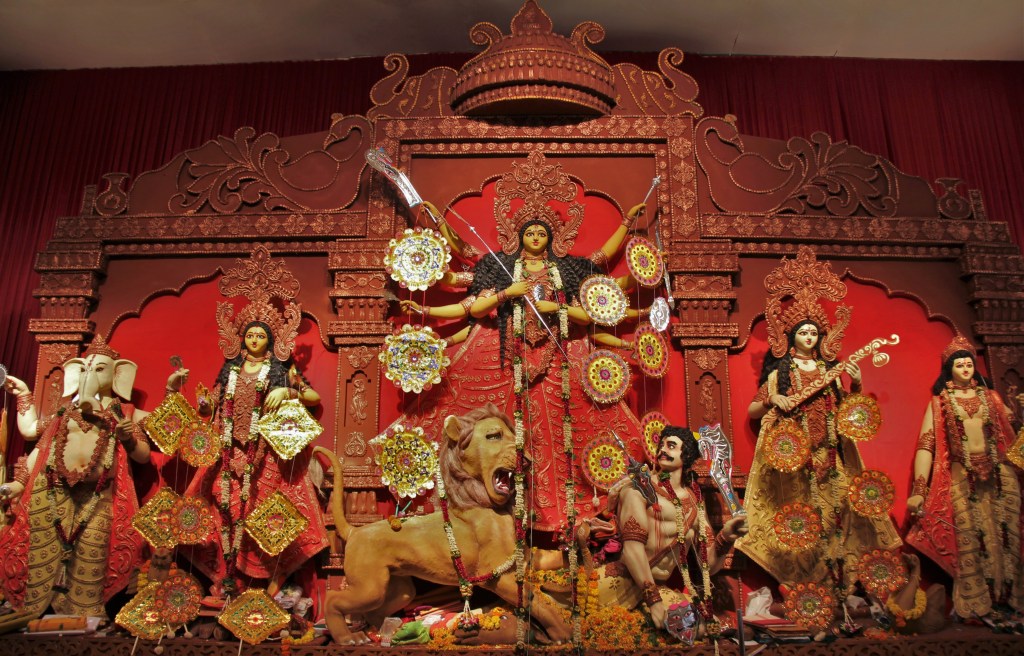
With Durga Puja just around the corner, scheduled to begin on October 9, 2024, this grand festival has evolved far beyond its religious roots. What was once a spiritual celebration of the triumph of good over evil has grown into a significant economic force that stimulates business, tourism, and employment. In Kolkata, the festival’s vibrant epicenter, and in cities like Delhi, where I grew up, Durga Puja has transformed into a lavish showcase of culture and commerce, blending tradition with modern economic dynamics.
This article delves into the economics behind Durga Puja, unpacking the costs, the revenue generated, and the broader economic impact that makes this celebration a unique blend of tradition and enterprise.
The Financial Anatomy of Durga Puja
The financial outlay for Durga Puja is a labyrinth of expenses that start months before the festival begins. At the heart of it all are the pandals—elaborate temporary structures that house the idols of Goddess Durga and her entourage. In Kolkata, these pandals have become the canvas for some of the most innovative and artistic expressions seen anywhere in the world. Costs for constructing a pandal vary significantly, depending on the scale, design, and location.
Basic setups might cost around INR 10 lakh, but the high-end thematic pandals, like those at Sreebhumi Sporting Club, can see budgets soar past INR 5 crore. Super mega pandals, which are meticulously planned down to the smallest detail, often require budgets of around INR 1.5 crore or more.
Idol creation is another critical cost component. The idols, typically made by skilled artisans in Kumartuli, Kolkata’s historic potter’s district, are not just artistic representations but a lifeline for thousands of craftsmen. Basic idols cost approximately INR 50,000, but more intricate designs embellished with real gold and silver can fetch over INR 20 lakh. The idol-making industry is an economic pillar of the festival, valued at around INR 860 crore, underscoring the economic importance of traditional crafts that have been passed down through generations.
Lighting and decoration, especially in Kolkata, play a vital role in the festival’s atmosphere. Entire neighbourhoods are transformed into dazzling lightscapes, with costs ranging between INR 5 lakh to INR 50 lakh per pandal. Places like Chandannagar, renowned for its lighting industry, are instrumental in this transformation, contributing to the festival’s vibrancy and artistic appeal. It isn’t just illumination but also storytelling through light—depicting scenes from mythology, popular culture, and social messages.
Cultural programs and entertainment add another layer of cost. Many pandals host performances by renowned artists, musicians, and theater groups, making cultural engagement a significant aspect of the Puja. These performances can range from INR 2 lakh for local acts to upwards of INR 50 lakh or more for shows involving prominent celebrities, further driving up the festival’s economic footprint.
Security and logistics are crucial given the millions of visitors each year. Investment in security measures, including private guards, CCTV surveillance, and emergency medical facilities, is essential to manage the crowds. Depending on the scale, these costs can range from INR 1 lakh for smaller pandals to INR 25 lakh or higher for the larger, more popular ones, highlighting the importance of safety in such large public gatherings.
A significant portion of the funding for these grand celebrations comes from marketing, sponsorships, and donations. Corporate sponsorships are a lifeline for many pandals, with brands spending anywhere from INR 5 lakh to over INR 1 crore to associate themselves with high-profile celebrations. Post-pandemic, sponsorships have seen a resurgence, with deals often finalized months in advance, marking a crucial financial recovery for many Puja committees that struggled during the downturn.
Celebrations Across India
While Kolkata remains synonymous with Durga Puja, the festival’s economic impact extends to other major cities, each adding its unique flavor and financial dynamics to the celebration. In Delhi, the vibrant Durga Puja pandals of Chittaranjan Park, often referred to as “Mini Kolkata,” showcase the city’s deep Bengali roots. The pandals here, blending traditional aesthetics with modern design, can cost anywhere between INR 30 lakh to INR 3 crore, sometimes even higher.
The financial outlay covers everything from elaborate decorations to a variety of food stalls that cater to the thousands of visitors flocking to these cultural hubs. Delhi’s Durga Puja festivities serve as a nostalgic reminder for its Bengali residents and also as a significant commercial opportunity for local businesses and sponsors.
Meanwhile, Mumbai’s Durga Puja celebrations, especially in upscale neighbourhoods like Lokhandwala and Bandra, are infused with Bollywood glamour. Pandals here often feature appearances by film stars, which not only drive up the costs but also draw substantial media attention. Budgets for these pandals range from INR 50 lakh to INR 2 crore, bolstered by high-profile sponsorships that make these celebrations as commercially lucrative as they are culturally significant.
The Broader Economic Impact: Employment, Tourism, and Community Spending
Beyond the immediate visual spectacle, Durga Puja has a far-reaching economic impact, particularly in employment, tourism, and retail. The festival is a significant source of employment, particularly for artisans, decorators, electricians, caterers, and transport workers.
In West Bengal alone, Durga Puja generates over 100,000 jobs, supporting the livelihoods of people from both urban centers and rural areas. For many artisans, especially those involved in idol-making, this period is crucial, as it accounts for the majority of their annual income.
Tourism sees a substantial boost during the festival. In 2023, Kolkata alone attracted over 1.5 million tourists, drawn by the city’s unique celebration that combines art, culture, and spirituality. The influx of visitors not only fills hotels and restaurants but also drives a surge in local transport and retail activity. UNESCO’s recognition of Durga Puja as an Intangible Cultural Heritage has further elevated its global profile, making it a must-see event for tourists from around the world.
Consumer spending spikes during Durga Puja, with markets teeming with shoppers buying clothes, jewellery, and other festive essentials. In West Bengal, retail spending during the Puja season is estimated to exceed INR 40,000 crore, benefiting everyone from large malls to small street vendors. This seasonal surge is vital for businesses, providing a significant portion of their annual revenue and driving the local economy into high gear.
Economic Gains vs. Environmental and Social Challenges
Durga Puja, despite its vibrant celebrations, faces significant challenges, particularly regarding environmental sustainability and social equity. The festival’s impact on the environment is profound, primarily due to the use of non-biodegradable materials in idol-making and the excessive consumption of energy for elaborate lighting and decorations.
Traditional practices often involve idols made of Plaster of Paris and decorated with toxic lead-based paints, which pollute water bodies when immersed at the festival’s conclusion. Although there are rules in place by central and state pollution control boards to use eco-friendly materials, enforcement is inconsistent due to the higher costs of sustainable alternatives like clay and natural dyes compared to their cheaper, harmful counterparts.
Efforts to promote eco-friendly practices are gradually gaining traction. Many pandals are now adopting green themes, like using clay idols painted with organic colors, establishing special water tanks for idol immersion to protect rivers, and reducing plastic use in decorations. These initiatives reflect a growing awareness but face challenges in widespread adoption due to financial constraints and traditional preferences.
Social inequality is another prominent issue during Durga Puja, with a stark disparity in resources between large, well-funded pandals and smaller community celebrations. Major pandals often attract substantial sponsorships and media attention, while smaller ones struggle to secure basic funding, relying heavily on community donations.
This disparity underscores broader economic inequalities within society, where the economic benefits of the festival are unevenly distributed. Artisans and workers who create the magnificent idols and pandals often operate under precarious conditions with minimal pay and no formal contracts or social security, highlighting the exploitative dynamics within the festival’s production ecosystem.
Artisans and laborers, the backbone of Durga Puja, frequently face socio-economic deprivation. Despite the grandeur of the festival, many of these workers continue to live in poverty without access to formal employment benefits or social security. The festival generates significant economic activity—estimated at around INR 15,000 crore in West Bengal alone—but the benefits are disproportionately skewed towards organizers and sponsors, leaving those at the grassroots level largely overlooked.
Amidst these challenges, some pandals are taking bold steps to address social issues, using their themes to highlight concerns such as women’s rights, human trafficking, and environmental conservation. For instance, some pandals have used their platforms to educate visitors about menstrual health, the plight of endangered species, and the impact of plastic pollution, effectively merging festivity with social activism. Such efforts not only enrich the cultural fabric of Durga Puja but also serve as powerful reminders of the festival’s potential to drive social change.
To preserve the cultural integrity and sustainability of Durga Puja, a more inclusive approach to funding, better enforcement of environmental norms, and improved working conditions for artisans are essential. Only by addressing these issues can the festival continue to be a true celebration of community, heritage, and responsible progress.
 ARTMO MAG
Leave a comment