
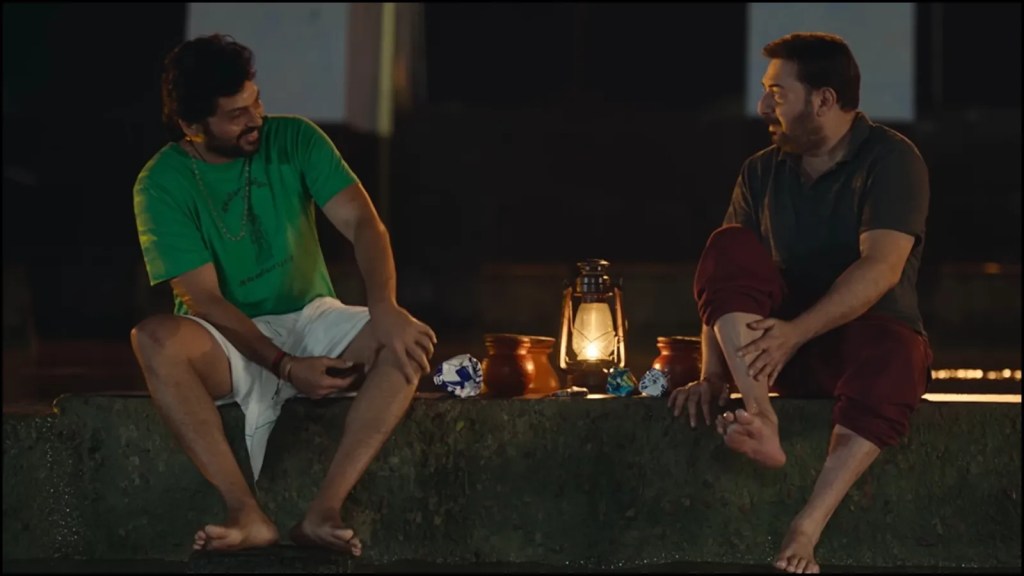
In an era where mainstream films often focus on romance centric storylines, the Tamil film Meiyazhagan (2024), directed by C. Prem Kumar, boldly subverts convention by charting a deeper, more introspective path. Eschewing romance-driven narratives, the film roots itself in themes of reconciliation, identity, and familial bonds, proving that the most powerful stories are often found in life’s understated moments.
At its heart, Meiyazhagan is a journey of return — not merely to a physical location but to the intangible realms of memory and emotion. Arulmozhi Varman, or Arul (masterfully played by Arvind Swami), returns to his childhood hometown of Thanjavur after 22 years.
What begins as an obligatory visit for a cousin’s wedding quickly transforms into a profound odyssey, as Arul is compelled to confront the ghosts of his past, the unresolved pain of loss, and the yearning for closure.
The film oscillates between two timelines — 1996, when Arul and his family were displaced from their ancestral home due to a financial dispute, and 2018, as the adult Arul reencounters the places and people he left behind.
This temporal interplay does more than narrate events; it paints a layered portrait of Arul’s evolving understanding of home, self, and family.
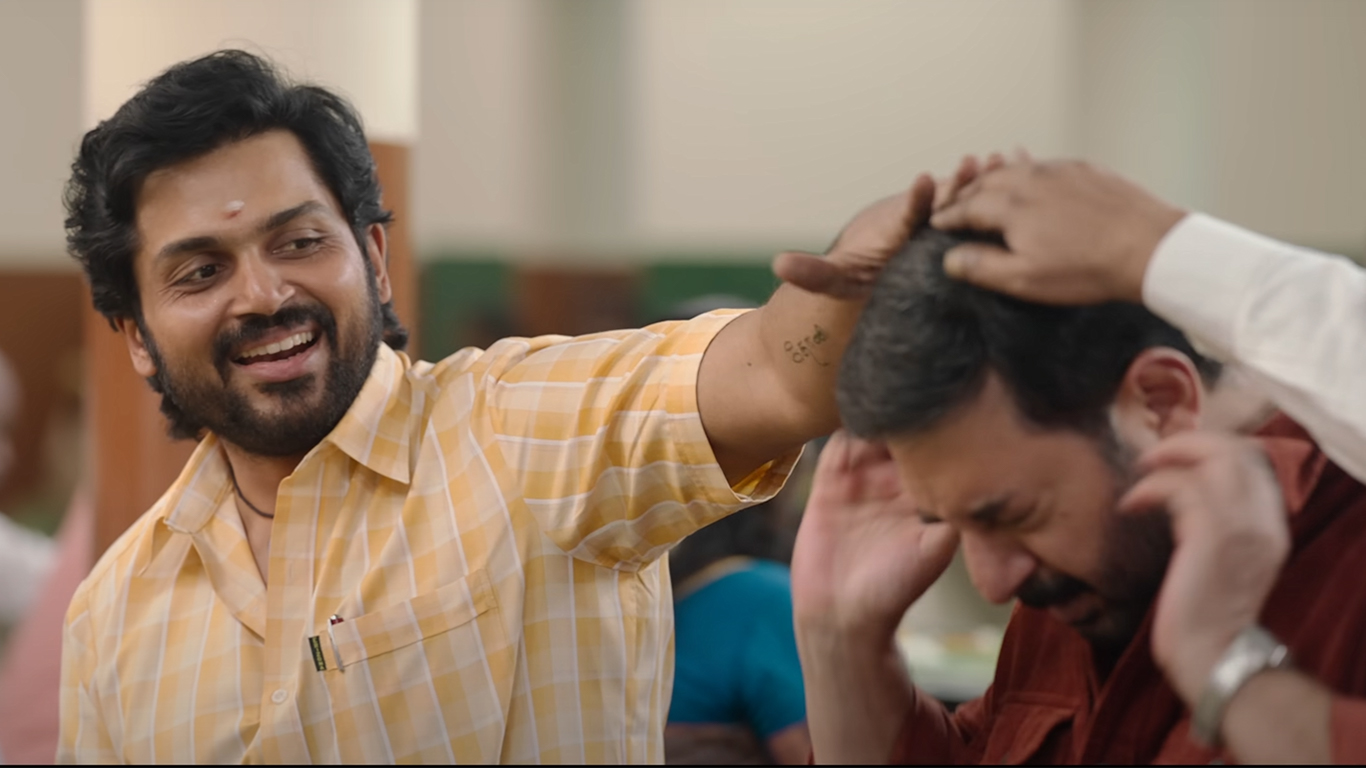
Adding complexity to his journey is an enigmatic and exuberant relative, played with remarkable depth by Karthi. This unnamed character acts as a counterbalance to Arul’s reserved demeanor, injecting energy, humor, and unexpected wisdom into the narrative.
C. Prem Kumar’s storytelling captures the essence of human relationships through its focus on small, emotionally charged moments. A poignant highlight is Arul gifting an anklet to his cousin Bhuvaneswari during her wedding.
This seemingly ordinary act becomes a moment of quiet reconciliation, encapsulating years of affection, regret, and unspoken gratitude. The brilliance of Meiyazhagan lies in such depictions of the mundane elevated to the profound.
Visually, Meiyazhagan is a love letter to Thanjavur, with cinematographer Mahendiran Jayaraju imbuing the town’s streets and twilight skies with nostalgic warmth. Each frame is composed with painterly precision, evoking a sense of longing that complements the narrative’s introspection.
This visual language is beautifully supported by Govind Vasantha’s evocative score, which serves not merely as a background but as an emotional narrator. Songs like “Poraen Naa Poraen”and “Oor Manney” resonate deeply, enriching the film’s exploration of memory and belonging.
Swami’s portrayal of Arul is a masterclass in restrained acting. He communicates the character’s internal struggle with minimalistic yet impactful expressions, embodying the conflict of a man torn between his past and present.
Karthi, in contrast, infuses vitality into the film with a performance that oscillates between comedic exuberance and poignant gravitas. Their dynamic is a centerpiece of the film, showcasing how opposites can forge transformative connections.
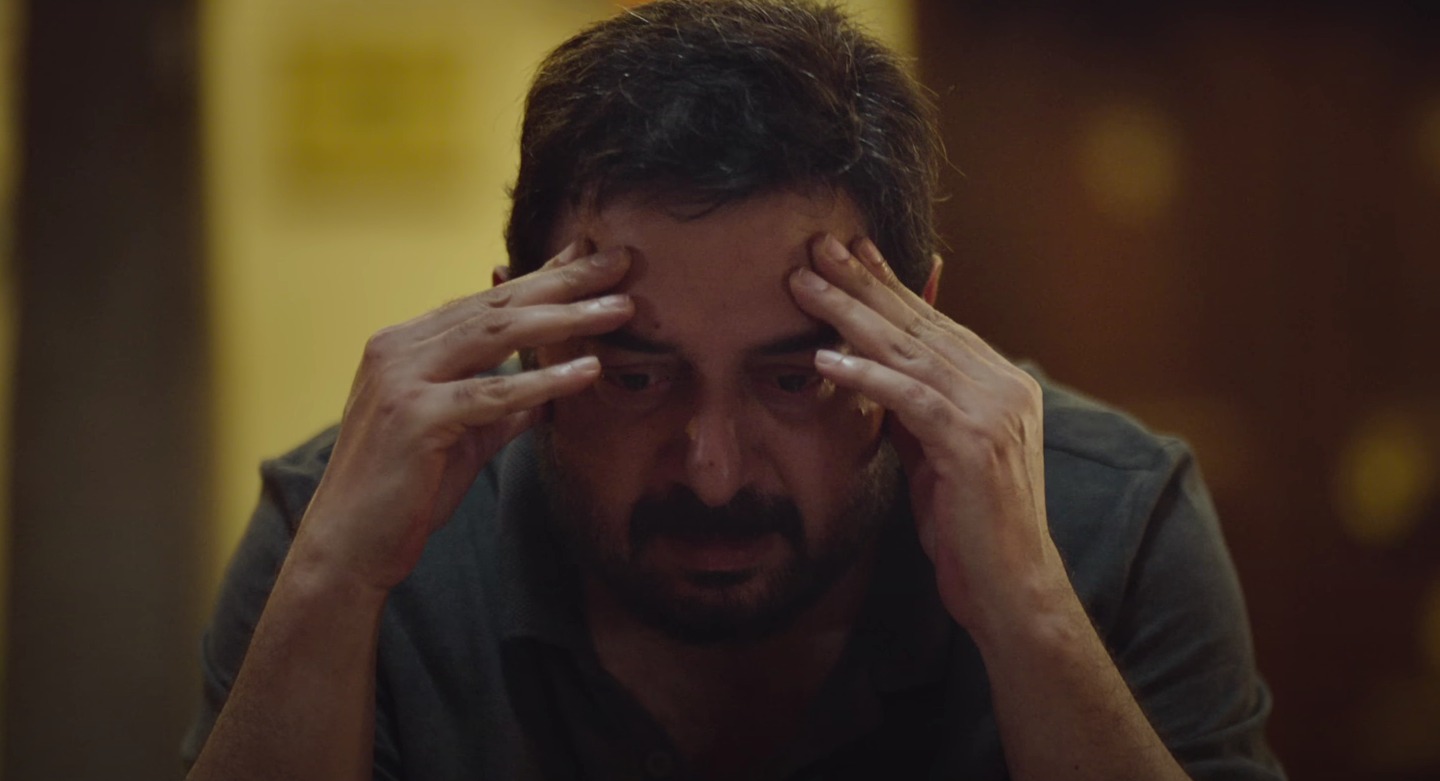
Philosophically, Meiyazhagan delves into the concept of home — not as a physical construct but as a repository of memory, identity, and belonging.
Through Arul’s return, the film examines how the past is never entirely dormant; it lingers within us, shaping our relationships and understanding of self. Karthi’s character acts as a bridge to this realization, urging Arul to reconcile with his suppressed guilt and rediscover joy in the simplicity of human connection.
One of the most striking aspects of Meiyazhagan is its unflinching embrace of vulnerability. The film does not shy away from the discomfort of confronting unresolved emotions, but it does so with a tenderness that feels cathartic rather than overwhelming. Moments of levity, such as Karthi’s innocent mischief, balance the narrative’s heavier themes, making the story accessible without diluting its depth.

The film intricately weaves references to Tamil Nadu’s history and traditions, from the depiction of Jallikattu to allusions to the Battle of Venni, subtly contextualizing the characters’ personal struggles within a broader socio-cultural framework. This layering enriches the film, grounding its intimate story in a shared cultural memory.
As the film progresses, it transitions from light-hearted nostalgia to a sobering exploration of privilege and inequality. Scenes highlighting the disparities between Arul and Karthi’s lives serve as a mirror to society, subtly critiquing the class divides that persist even within familial ties. These moments enhance the narrative’s relevance, inviting viewers to reflect on their own perceptions of privilege and belonging.
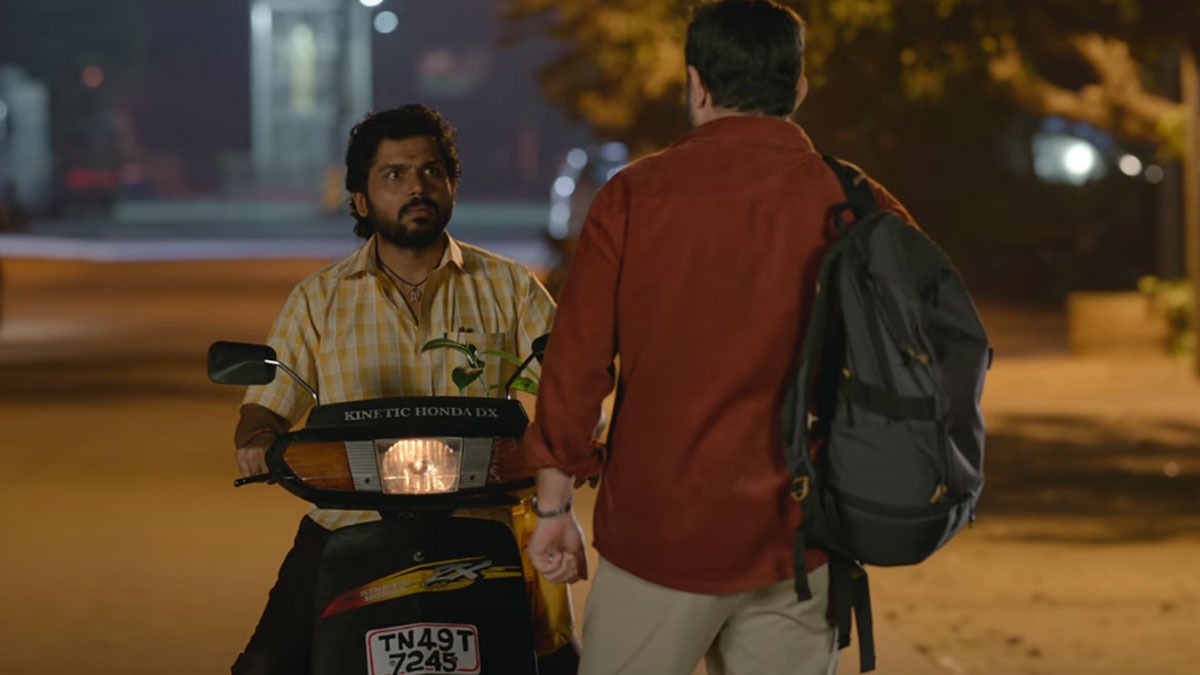
The film emerges as a celebration of life’s quieter moments — the laughter shared over a meal, the weight of a childhood memory, the unspoken comfort of familial bonds. It reminds us that reconciliation and forgiveness are acts of courage, and that embracing vulnerability can lead to profound healing.
As the credits roll, viewers are left not with finality, but with a gentle invitation to revisit their own stories, reconnect with their roots, and find beauty in imperfection. In its embrace of subtlety and its celebration of the everyday, it carves a unique place in contemporary cinema — one that lingers in the heart long after the lights dim.
 ARTMO MAG
Leave a comment