

Few films achieve the rare distinction of being both timeless and timely, and Ajoy Kar’s Harano Sur (1957) belongs to that luminous category. This Bengali classic tells the story of Alok Mukherjee, a man ensnared by the caprices of fate and memory, and Dr. Roma Banerjee, a woman who epitomizes devotion and quiet resilience. The film unfolds with deliberate grace, revealing themes of identity reconstruction and existential yearning.
The central premise, derived from James Hilton’s Random Harvest, might suggest a familiar romance. Yet, Harano Sur eschews melodrama, opting instead for a philosophical depth. Alok’s journey begins with an accident that erases his memory and thrusts him into Roma’s rural sanctuary. In this seemingly idyllic setting, stripped of societal artifice, Alok’s vulnerability and Roma’s selfless care lead to a love that feels both organic and profound.
This bond, however, is not immune to the cruel whims of destiny. A second accident restores Alok’s memory of his former life but obliterates his recollection of Roma, thrusting him into a reality where he must grapple with what — and who — he truly is.
The film is not just about the romance; it’s a study of identity’s malleability. Alok’s dual lives — one as Roma’s patient and husband, the other as a businessman detached from his newfound love — create a poignant dichotomy.
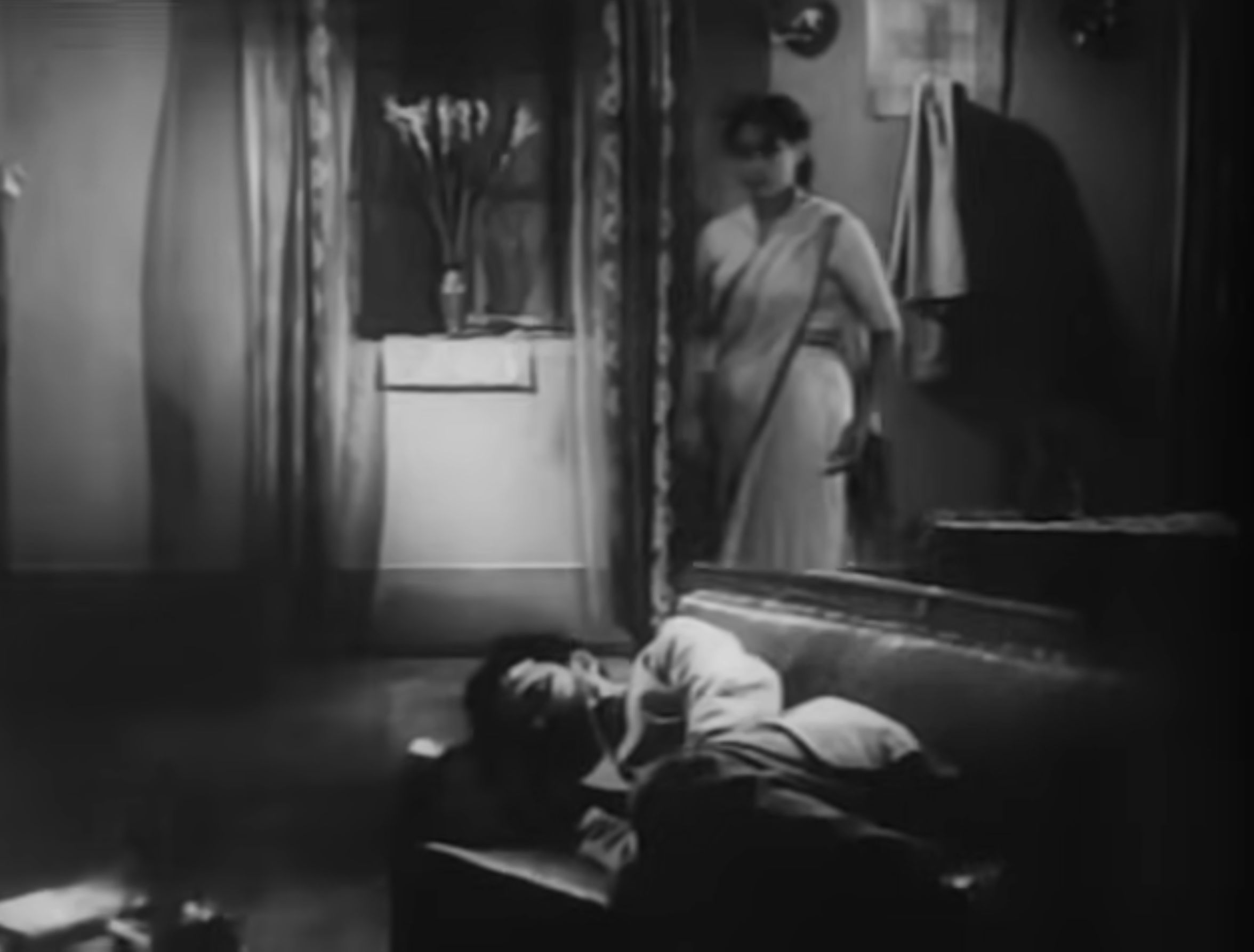
This conflict mirrors the fractured post-independence Indian psyche, caught between tradition and modernity. The amnesia becomes a metaphor for a society struggling to reconcile its past with its aspirations.
Suchitra Sen’s portrayal of Roma elevates the character from a mere romantic lead to a symbol of feminine strength and endurance. Her performance is a masterclass in subtlety — each glance, each pause, laden with unspoken emotion.
Uttam Kumar, as Alok, complements her with his layered depiction of a man at the mercy of forces beyond his comprehension. Their chemistry transcends mere cinematic artifice, embodying the ineffable connection that the narrative hinges upon.
The visual storytelling of Harano Sur is both evocative and symbolic. Ajoy Kar uses the stark contrast of rural and urban settings to emphasize Alok’s fractured existence. The verdant countryside, where Alok and Roma’s love blossoms, serves as a sanctuary, a place of purity untainted by societal expectations.
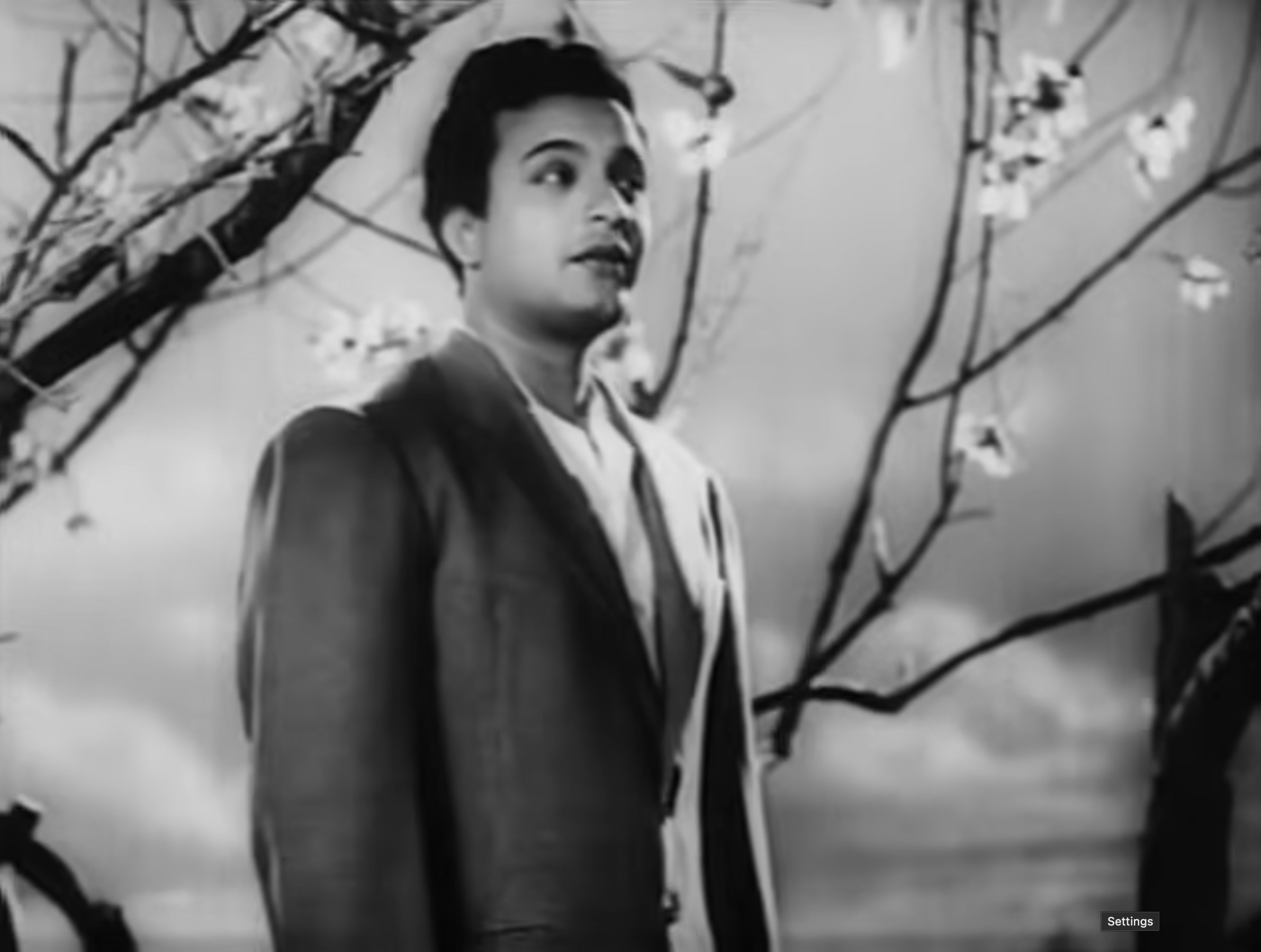
In contrast, the bustling, impersonal city represents a return to societal obligations and the erasure of intimate connections. Cinematographer Bimal Mukherjee’s use of light and shadow is particularly striking, with scenes often bathed in soft, melancholic hues that mirror the emotional undercurrents.
The film’s pacing is deliberately meditative, allowing moments to breathe and resonate. This approach, while unconventional by contemporary standards, ensures that every scene contributes to the thematic depth. The dialogue, though sparse at times, carries a poetic cadence, reflective of the film’s overarching mood.
The music, composed by Hemanta Mukherjee, is an integral narrative layer. Songs like “Ogo Tumi Je Amar” are more than auditory embellishments; they encapsulate the film’s emotional core. Mukherjee’s melodies, coupled with poignant lyrics, serve as a haunting refrain, echoing the bittersweet nature of Alok and Roma’s relationship.
Harano Sur is not content with being a love story — it aspires to be an exploration of memory and its role in shaping identity. Memory, or the lack thereof, dictates the course of Alok’s life, forcing him to confront the fragility of human connections.
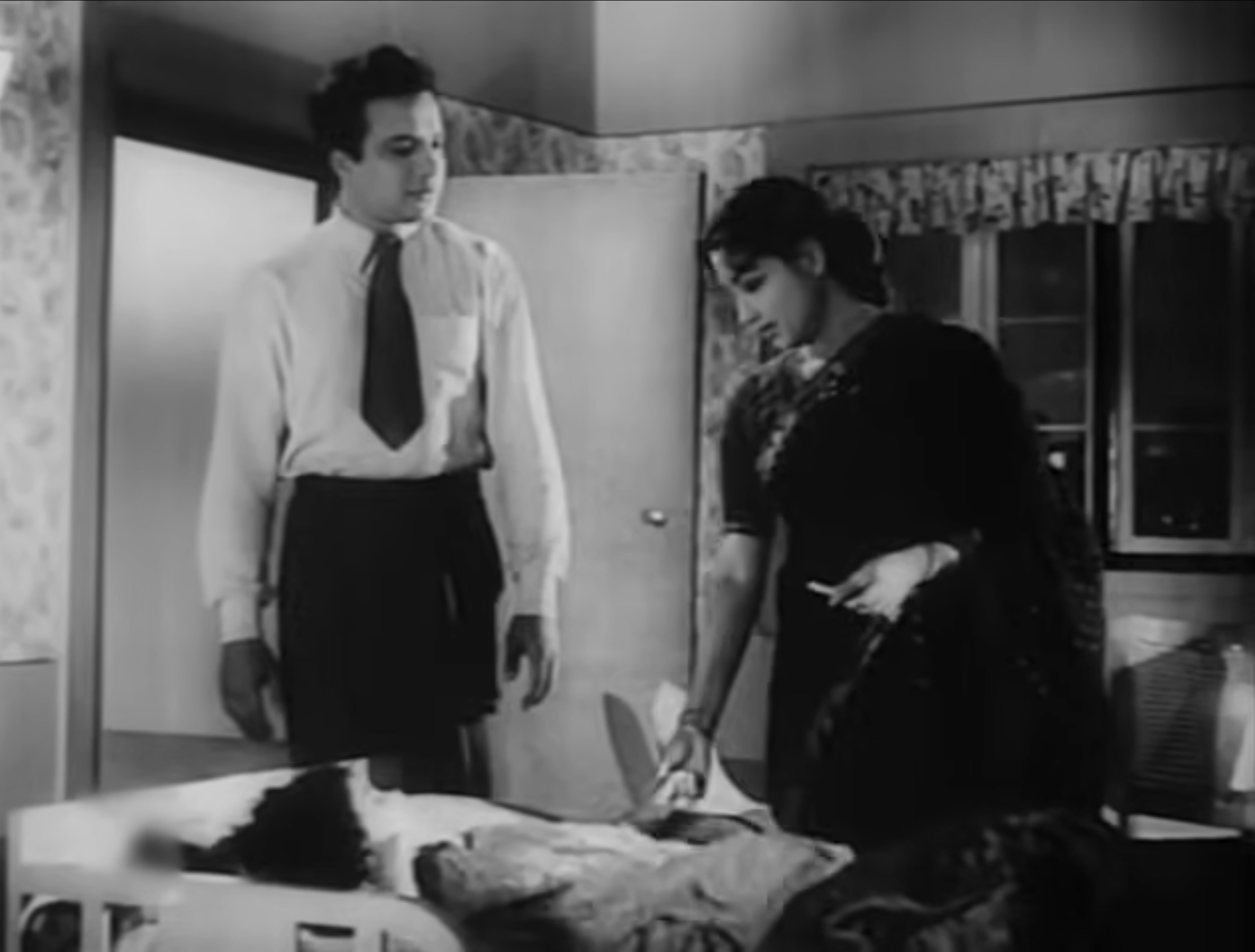
The film suggests that love, though rooted in memory, possesses a transcendental quality. Roma’s unwavering devotion, even in the face of Alok’s forgetfulness, is a testament to love’s capacity to endure beyond reason.
The philosophical undertones resonate in an era where personal identity is increasingly fluid and fragmented. In its time, Harano Sur reflected the anxieties of a newly independent India, torn between its historical legacy and the promise of modernity.
Upon its release, Harano Sur was celebrated for its artistry and emotional resonance, becoming one of the highest-grossing Bengali films of its time. Its accolades, include a Certificate of Merit at the 1957 National Film Awards.
Ajoy Kar’s direction, Uttam Kumar and Suchitra Sen’s performances, Bimal Mukherjee’s cinematography, and Hemanta Mukherjee’s music converge to create a cinematic experience that is both intimate and grand.
Harano Sur invites viewers not just to witness a story but to introspect, to examine their own relationships with memory, identity, and love. In this, it achieves what few films can — it becomes a mirror to the soul, reflecting the harmonies we all carry, whether remembered or lost.
Watch the film on Mubi – LINK.
 ARTMO MAG
Leave a comment