
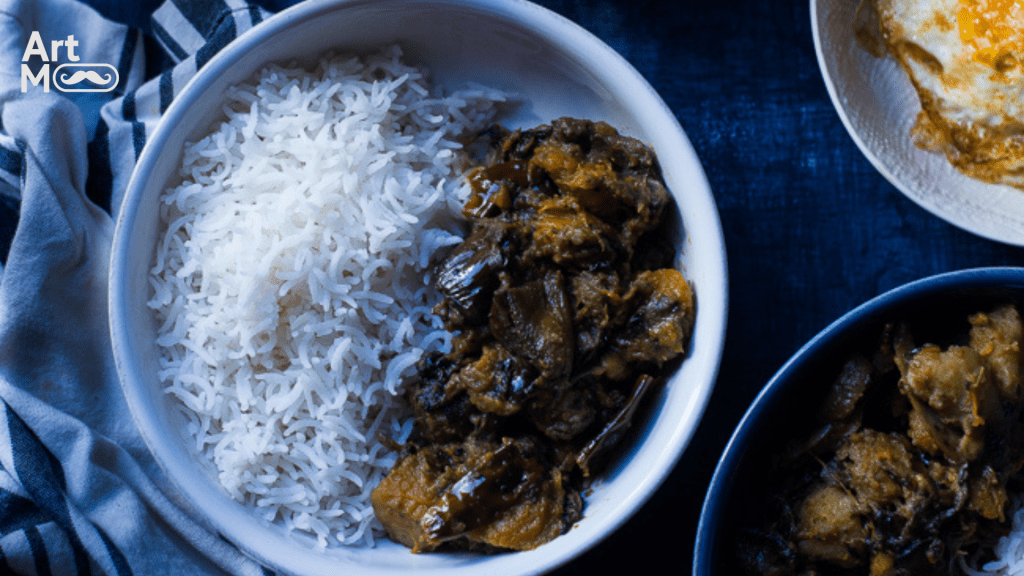
It was a lazy Sunday afternoon in the half-awake Salt Lake City of Kolkata. In the kitchen, Diyadiya — my beloved grandma — had already begun chopping vegetables, carefully arranging them for a piping hot bowl of Chanchra. In one corner of the kitchen slab rested a steel bowl holding a neatly mounded pile of fried fish heads with bones, tails, and skin. On the opposite side, fresh green chilies, garlic cloves, and ginger were being ground into a fragrant paste. The aroma of the spices permeated all four rooms, even reaching the ‘Thakur ghor’ — the private family temple. This was the week when ‘Ma’ visited home, from New Delhi.
‘Chanchra’ has long been a cherished dish in Bengali kitchens. Its ingredients are humble yet hearty — finely chopped potatoes, cubed pumpkin, onions, brinjal, radish, french beans, and other seasonal vegetables, which vary with each family’s habit. Essentially, it is a comforting mash of vegetables (sometimes even their peels), herbs, spices, and the less fleshy types of fish — preferably Bhetki, Katla, or Rohu. Diyadiya used to say it was a dish for the common folk, born out of necessity when fresh vegetables or the choicest fish were beyond reach.
One origin story comes from Ishita Mukherjee, a family friend in Delhi. “Day functions at Bengali weddings always ended with a lavish lunch arrangement. Food preparations of all kinds were on the menu, spread over each day of the function. And being a Bengali wedding, one couldn’t possibly miss out on non-vegetarian items,” she explains.
“Even though meat and eggs were arranged, the menu was always dominated by fish recipes. Huge freshwater fishes were the top choices, along with prawns and crabs. But after cooking the favorable pieces of those fishes, one was left with the massive heads. Shei theke [since then], fish heads were also used and served to the guests, which became a hit among the public.”
This frugal ingenuity aligns with Chanchra’s broader origins, rooted in the agrarian and riverine rhythms of Bengal, where no edible scrap was wasted. Culinary historians trace its emergence to fishing communities along the Ganges delta, where resourceful cooks transformed discarded fish heads, bones, and offal—often dismissed by the wealthy—into hearty, flavor-packed dishes.

The 16th-century text Chandimangal references similar practices, praising meals where fish entrails and vegetable peels were stewed with mustard and spices, embodying the Bengali ethos of “mache bhate Bangali” (a Bengali is made of rice and fish). Over centuries, Chanchra evolved into a communal staple, bridging scarcity and celebration during festivals, weddings, and Baroari feasts. Its spread across Bengal—from Brahmanbaria’s (Bangladesh) villages to Kolkata’s markets—reflects a shared culinary identity that even Partition’s borders couldn’t fracture.
Yet today, Chanchra is fading from the plates of younger generations. “Kids these days don’t really enjoy fish like we used to back in our days. Khaali mangshor aar kokhono dim,” laments Shrila Das, another family friend, as she struggles to flip an omelet. But the dish’s decline isn’t solely about shifting tastes.
Chanchra’s flavor is a symphony of contrasts: bitter neem leaves or mustard greens temper the sweetness of pumpkin, while fish heads lend umami depth to the fiery ginger-chili paste. Mustard oil’s smokiness, turmeric’s earthiness, and the crackle of panch phoron weave into every bite, traditionally served atop rice to honor the Bengali meal’s ritual progression from bitter (shukto) to savory—a custom codified in medieval texts like the Brihaddharma Purana.
However, the once unbreakable bond between Bengalis and their ‘maachh’ [fish] seems to be loosening. Among Probashi [non-resident] Bengalis, fish is less common — either due to availability issues or the laborious process of preparation. Even locally, many young diners now favor quick chicken dishes or vegetarian fare over the intricate, fish-based recipes of yesteryear.
Seniors often blame this shift on the rise of fast-food chains that prioritize chicken, mutton, and vegetarian options. “Honestly, there’s no harm in not eating maachh. It’s just that one remains unknown to the charms of Ilish,” remarks Neelanjana Chakraborty, yet another family friend.
Sitting in Diyadiya’s kitchen, surrounded by the comforting aroma of her slow-cooked magic, I am reminded that while tastes evolve, some culinary legacies refuse to vanish entirely. ‘Chanchra’ may be fading from modern menus, but its spirit lives on in the cherished memories of those who grew up savoring its unique, homely flavor.
 ARTMO MAG
Leave a comment