
In a world where the line between persona and person grows thinner by the tweet, Satyajit Ray’s Nayak (1966) returns—not as a sepia-tinted artifact, but as a biting satire draped in existential velvet. Picture this: Uttam Kumar, Bengal’s answer to a matinee demigod, hurtling toward Delhi on a train, his charisma a mask precariously balanced over fissures of guilt and self-doubt. On February 21, 2025, the film’s newly restored 2K version will judder back to life in select cinemas—a pilgrimage route spanning Kolkata (15 screens), Mumbai, Delhi, Bangalore, Hyderabad, Pune, and Chennai (1-2 screens each).
Arindam’s 24-hour rail journey unfolds like a fugue of existential dread, each compartment a stage for humanity’s petty obsessions. The train, a clattering steel behemoth, becomes Kafka’s Penal Colony reimagined as a metaphor for fame: an inescapable machine grinding its passengers into complicity. Ray, ever the anthropologist of frailty, populates the carriages with archetypes ripped from a Pirandello play.
There’s the sycophantic fanboy reciting Arindam’s dialogue verbatim (a 1960s proto-Stan account), the sanctimonious guru hawking enlightenment like a discount coupon, and Aditi (Sharmila Tagore), the journalist whose pen slices through pretense like Occam’s razor. Each encounter strips another layer from Arindam’s persona, revealing the raw nerve of insecurity beneath. His drunken midnight confession to Aditi—a monologue as unvarnished as a page from Dostoevsky’s Notes from Underground—unmasks the moral rot festering under his superstar veneer.
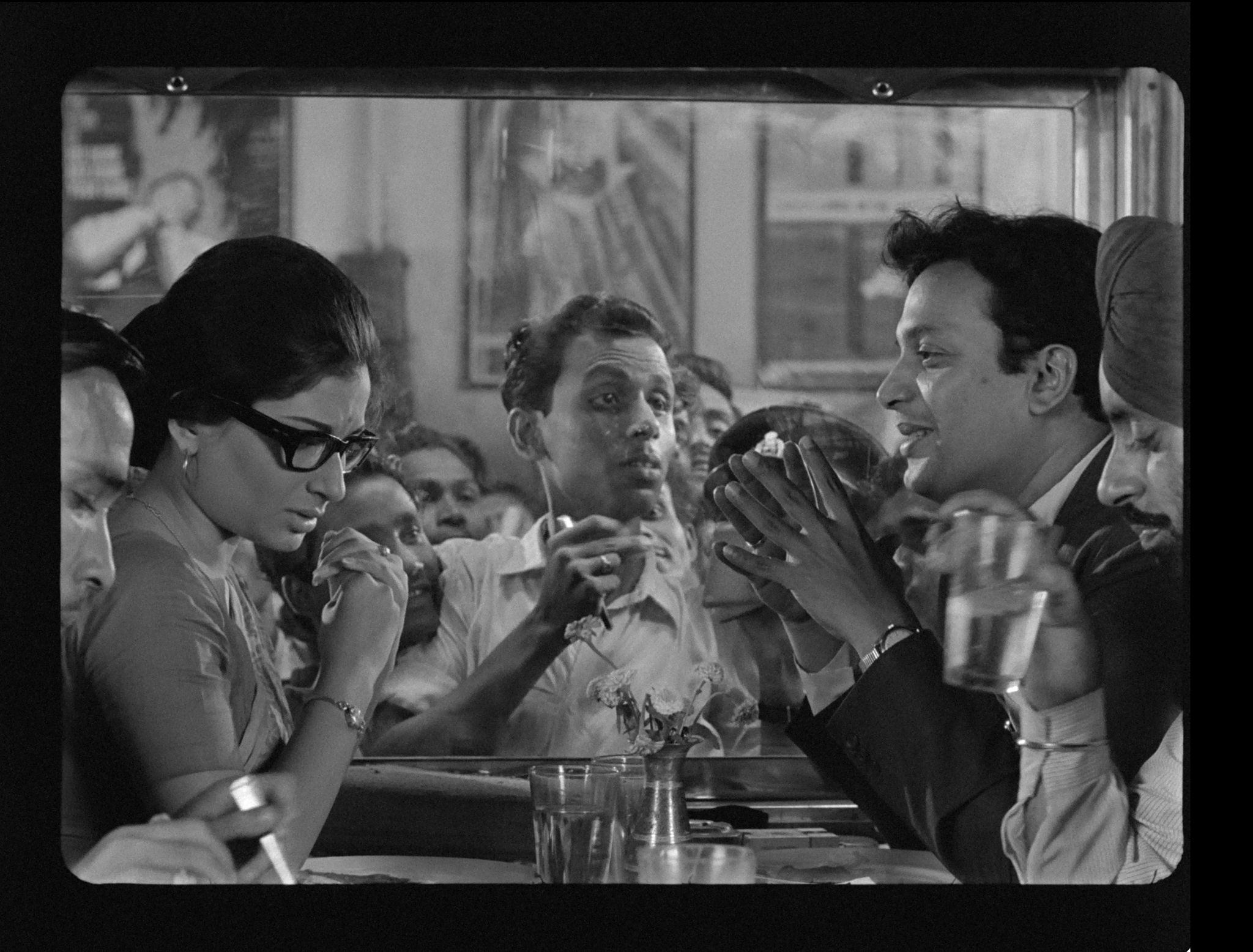
Uttam Kumar, playing against his own larger-than-life persona, delivers this with the vulnerability of a man who’s just realized he’s been wearing his soul inside out. His face, still pocked with chickenpox scars, becomes a quiet rebellion against the tyranny of airbrushed perfection—a rebuke to the Kardashian age, where flawlessness is currency.
Aditi, meanwhile, evolves from merciless chronicler to reluctant confessor. Her arc mirrors the audience’s journey from cynicism to uneasy empathy. When she tears up her damning exposé, it’s not surrender but a subversive act of grace—a nod to Shakespeare’s Portia, who knew mercy “droppeth as the gentle rain from heaven.” In an era of cancel culture, where public shaming is both sport and spectacle, Aditi’s choice feels radical. She embodies the tension between accountability and compassion, a debate that rages today in Twitter threads and comments.
Her dynamic with Arindam evokes Sartre and de Beauvoir debating existentialism over third-class berth chai, their dialogue a dance of probing questions and evasive answers. Ray’s genius lies in refusing easy judgments; he paints Aditi not as a moral arbitrator but as a mirror, reflecting Arindam’s contradictions back at him—and us.
The film’s 2K restoration breathes new life into Subrata Mitra’s cinematography, transforming every frame into a chiaroscuro meditation. The train’s grimy windows, once fogged with the patina of time, now gleam like Edward Hopper vignettes, light slicing through shadows to illuminate Arindam’s isolation. Consider the scene where he stumbles through the corridor at night, his reflection splintered across compartment glass—a visual prophecy of our fractured digital selves, curated across social media grids and profiles.
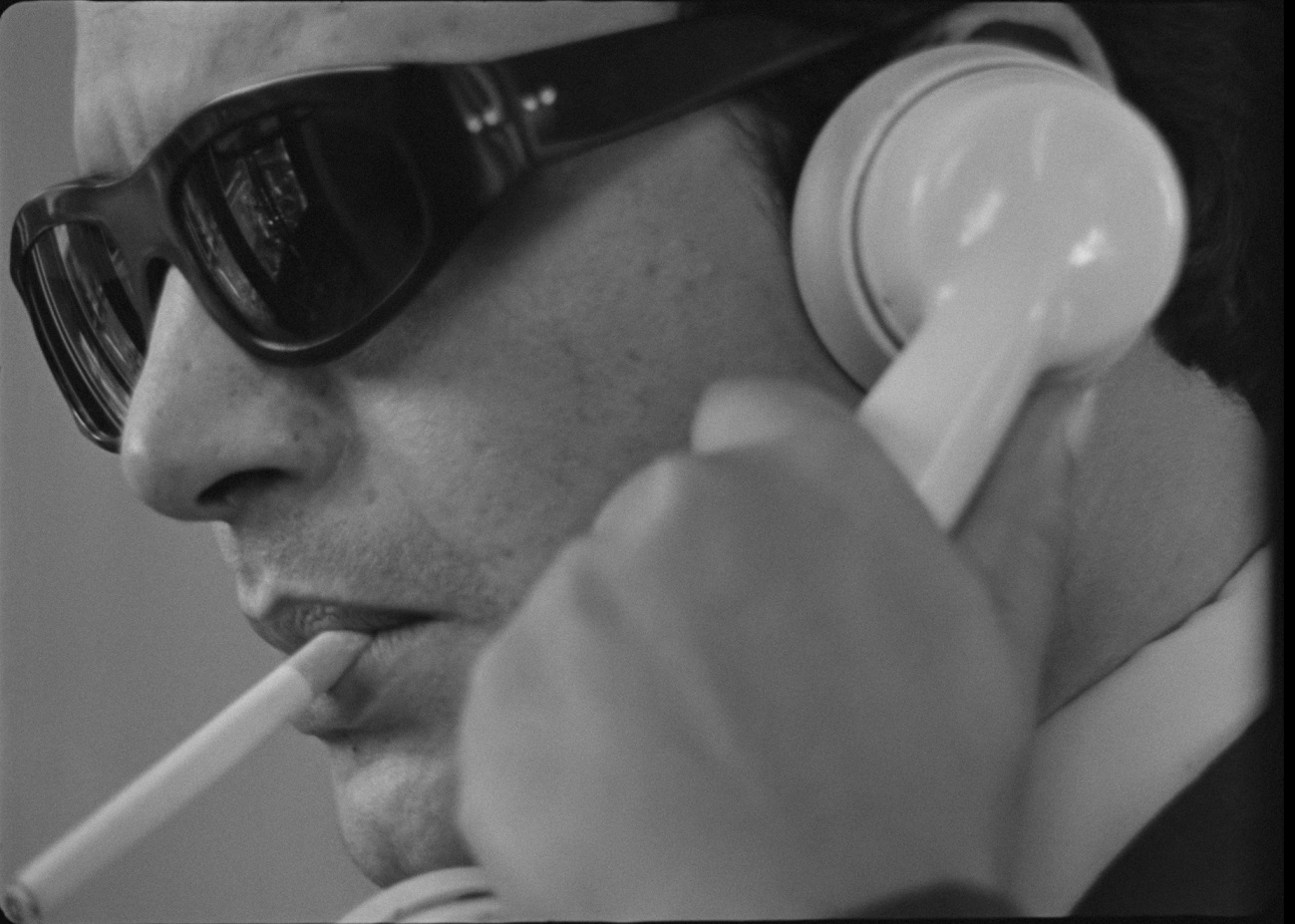
The restoration sharpens Ray’s obsession with tactile detail: the crumpled newspaper symbolizing fleeting fame, the sunglasses Arindam dons indoors as both armor and blindfold. Those shades, a precursor to the modern influencer’s Ray-Ban-clad aloofness, aren’t just accessories—they’re metaphysical barriers, shielding him from the glare of authentic connection.
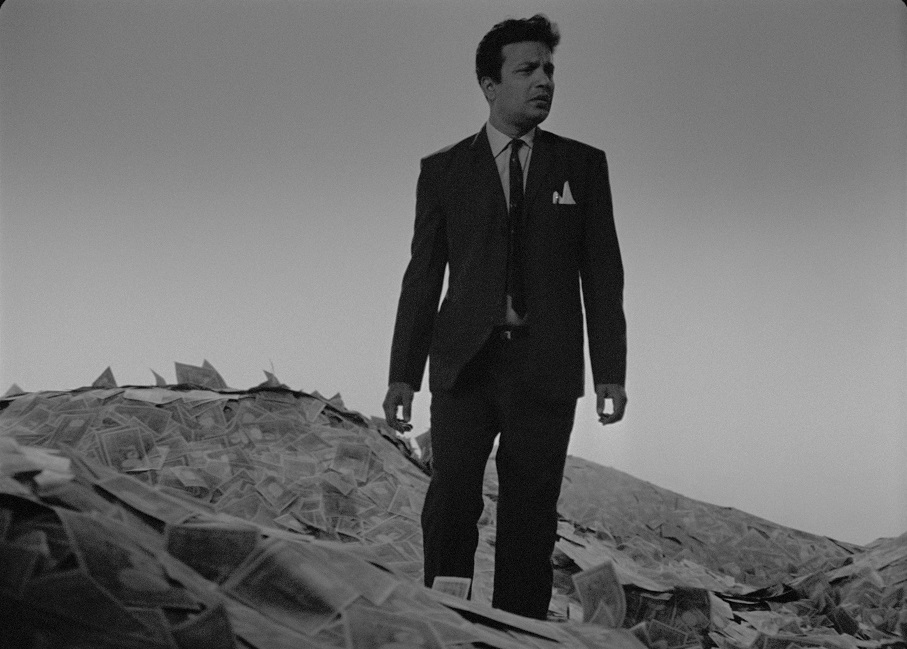
Ray’s surreal dream sequences, meanwhile, plunge us into Arindam’s psyche with the logic of a Dalí painting. In one, he drowns in a deluge of rupee notes; in another, a faceless mob strips him naked—an eerily prescient allegory for cancel culture’s voracious appetite for fallen idols. The most piercing moment comes when a child, wide-eyed with hero worship, asks for an autograph. The boy sees a deity; we see a man clinging to relevance like a 19th-century aristocrat to his monocle. It’s Kafka meets Vogue’s “73 Questions,” a reminder that adoration is as ephemeral as a Snapchat streak.
The film transcends nostalgia; its dissection of identity, commodification, and authenticity feels freshly urgent. Swap “cinema” for “social media” in the scenes where puritanical co-passengers decry Arindam’s profession, and you’ve got today’s think pieces lamenting social media influenced cultural decay. For a generation weaned on the dopamine hit of likes, Arindam’s crisis—triggered not by obscurity but by fame’s hollowness—resonates as a cautionary fable. His lament, “I’ve become a puppet of my own success,” could double as an influencer’s private journal entry, penned between sponsored posts.
Ray, often misremembered as a stoic auteur, injects Nayak with sly wit. When Arindam smirks at his own poster—a garish cutout towering over a railway platform—it’s satire and self-portrait in one. The director, an icon himself, winks at the audience: You think this is fiction? His influence ripples through modern cinema, from Wes Anderson’s curated melancholia to Bong Joon-ho’s class critiques. Even Bollywood’s introspective gems like Tamasha or Rocket Singh owe debts to Nayak’s exploration of identity’s prisons.
To watch Nayak today is to confront the uncomfortable truth that we’re all Arindam Mukherjee, perpetually performing. The film’s power lies in its refusal to sermonize; Ray doesn’t vilify fame but dissects its anatomy with clinical precision. In a world where LinkedIn profiles are polished to narcissistic sheens and social media stories staged with Kubrickian rigor, Nayak whispers a dangerous question: What if you stopped acting?
As the credits roll, you’ll glance at your phone—reflexively, guiltily—and wonder: Is my online persona worth the quiet erosion of my soul? Satyajit Ray, ever the philosopher with a camera, offers no easy answers. But in Arindam’s haunted gaze, you’ll find a reflection of your own digital-age dissonance—and perhaps, the courage to shed the armor of curation. In the end, Nayak is an invitation to step off the treadmill of validation and embrace the messy, unscripted glory of being human. After all, in the theatre of life, the most radical act isn’t perfecting your role—it’s tearing up the script.
 ARTMO MAG
Leave a comment