
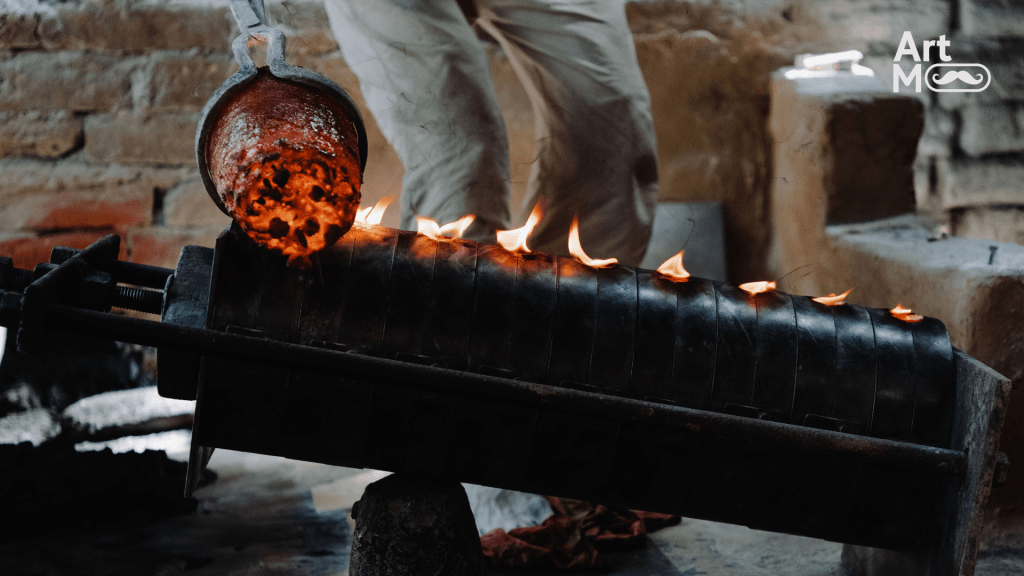
“This project is dedicated to those artists who still believe in their tradition and thrive to create inimitable designs of security.”
My journey began with a week’s research, tracing the arc of lock‑making from London’s polished streets to the frenetic alleys of India. But it was only when I returned to Aligarh — my birthplace, tucked in Uttar Pradesh with nothing more than a pouch of dark roast coffee and a bag of thin kurtas — that I grasped the full weight of my heritage.
Aligarh, often dubbed “the City of Locks,” has been a crucible of brass‑lock craftsmanship for well over a century. In 1870, Johnson & Co. opened the first English‑run workshop here; by 1890, small‑scale production of indigenous locks had taken root.
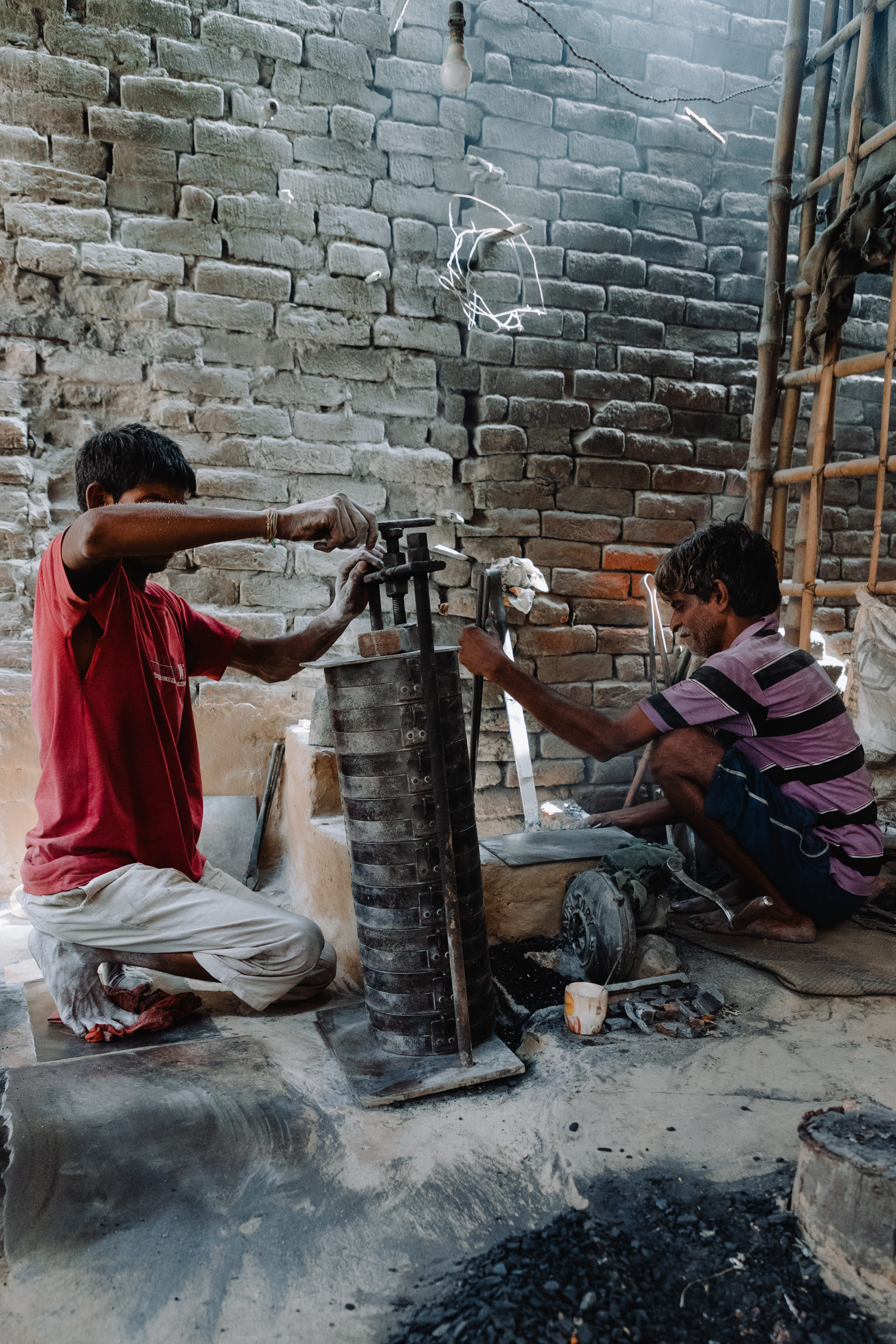
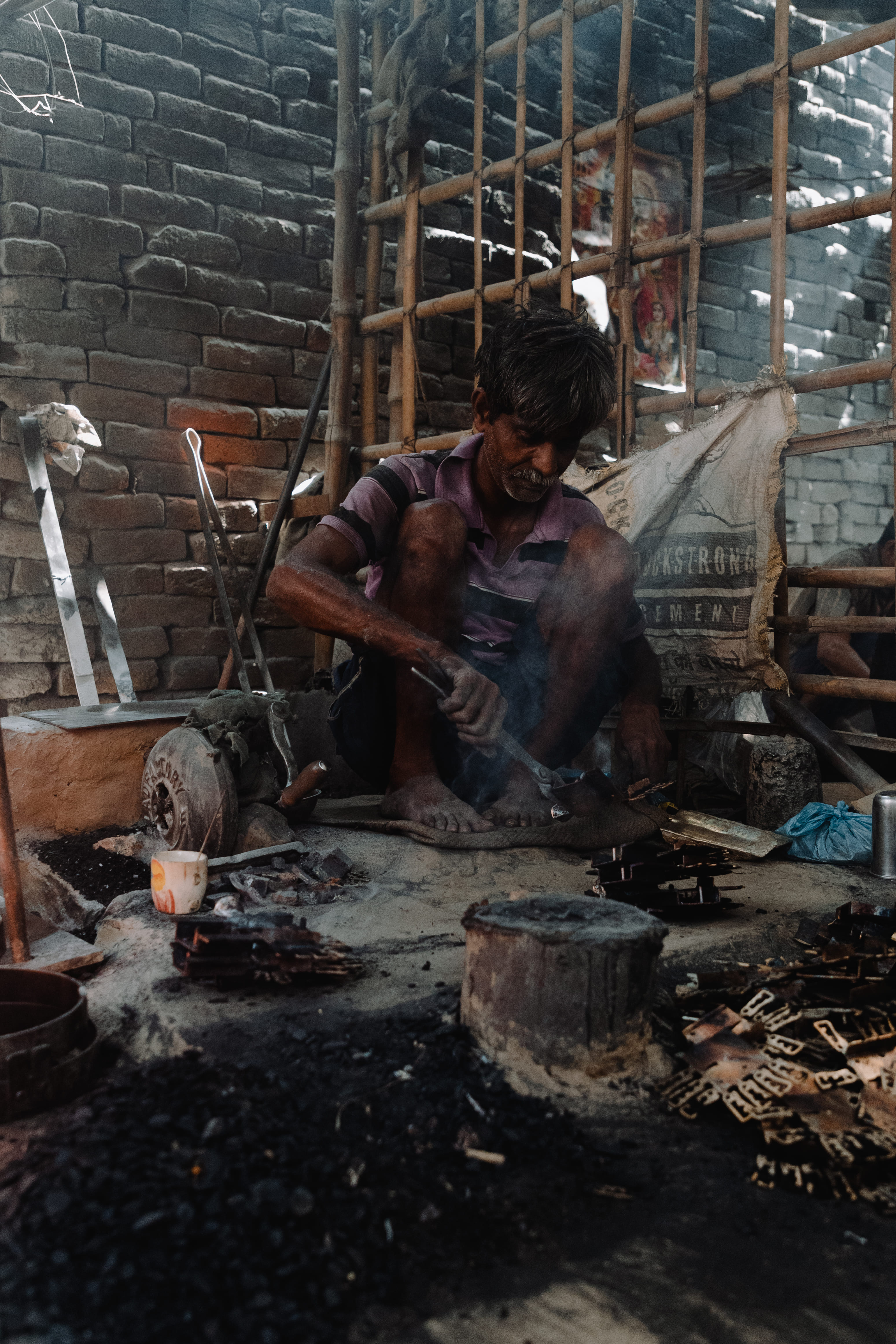
Local artisans refined a blend of 60 percent copper and 40 percent zinc into padlocks, door locks, puzzle locks, even ornate “hathkadi” cuffs — each piece requiring up to ten distinct manual operations on a traditional assembly line.
These were no mere utilitarian objects, they were custom orders poured in from princely states and colonial administrators alike, each lock bearing an almost architectural flourish. Wealthy patrons paid premiums for engraved brasswork — filigreed patterns that signaled both security and status. My grandmother’s tales of gilded locks on Nawabs’ safes suddenly took on new clarity.
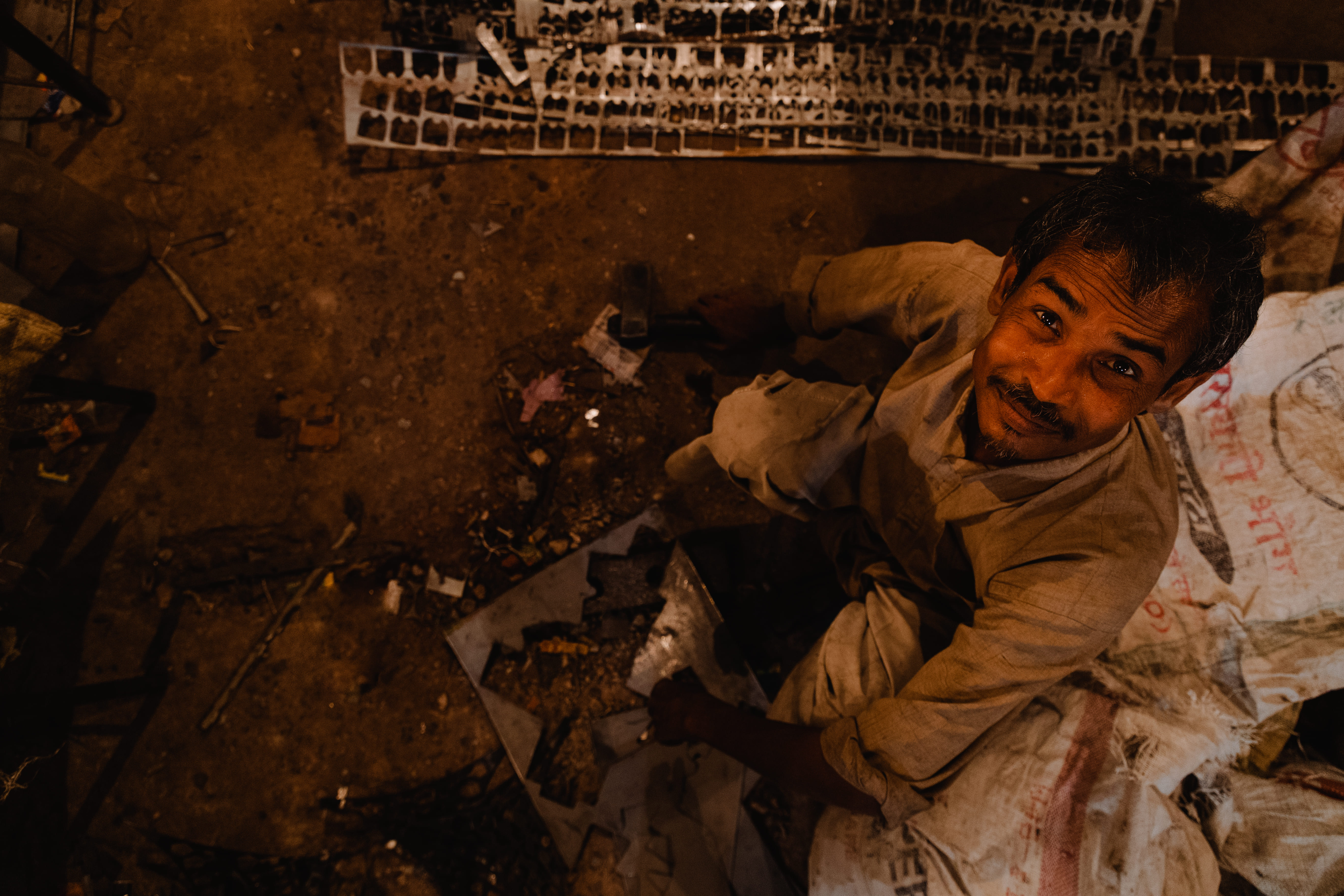
Yet by the late 20th century, a tidal shift arrived: mass‑produced iron and steel locks from mechanized plants in China began to undercut Aligarh’s artisanal workshops. The market, now obsessed with function and price, spurned brass’s warmth and nuance. Smaller family shops closed; larger manufacturers retooled to import and rebrand Chinese goods, offering custom orders on foreign‑made blanks rather than forging brass in‑house.
Walking into today’s workshops, I find a paradox. A handful of families still melt and mold brass by hand — three‑lever mechanisms, secret catches, puzzle‑style keyways — preserving a lineage that traces back to 19th‑century smithies.
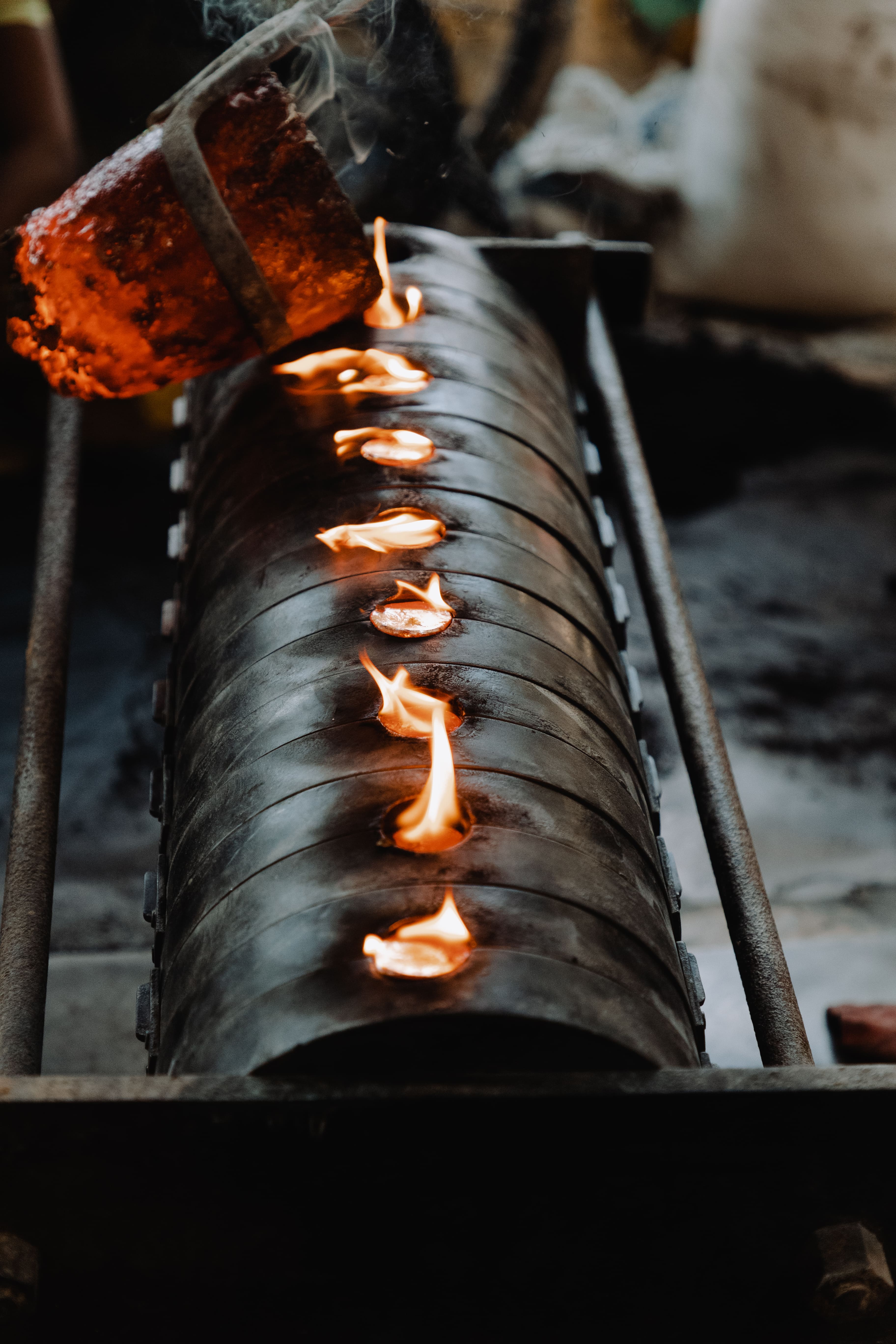
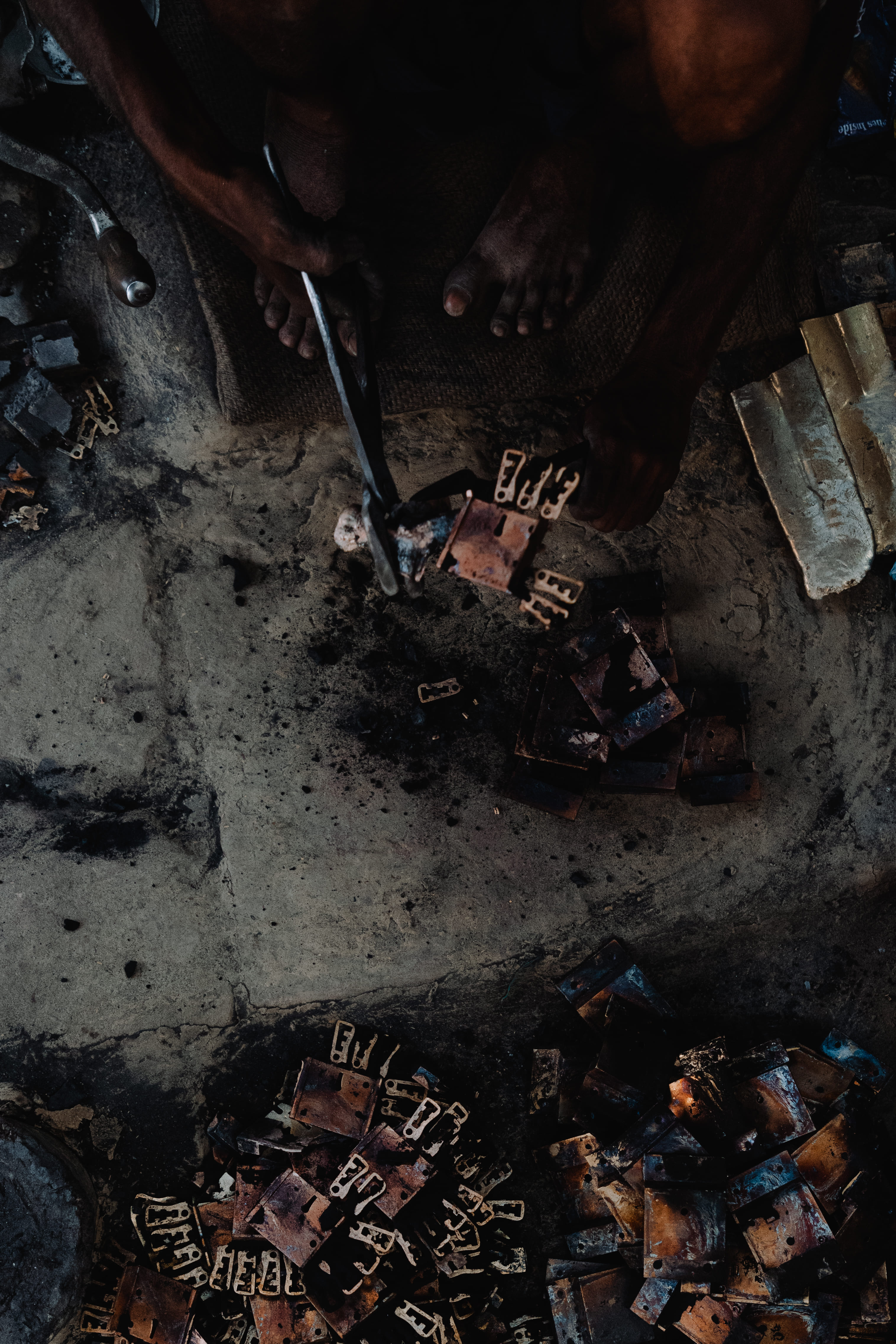
But most local businesses now juggle two streams: they assemble imported locks for the mass market and reserve a corner bench for bespoke brass commissions. The old masters — those who once sold to maharajas — are reduced to decorative artisans, their pieces snapped up by collectors and antique dealers rather than homeowners.
In conversation with my mother, I realized I’d been sitting on a ticket to my own fortunate adventure. I’d come home to witness, not the end, but a metamorphosis of an art form. This project is dedicated to those who refuse to let tradition rust — who still believe a lock can be more than steel and spring, who see in brass an alchemy of history and craft.
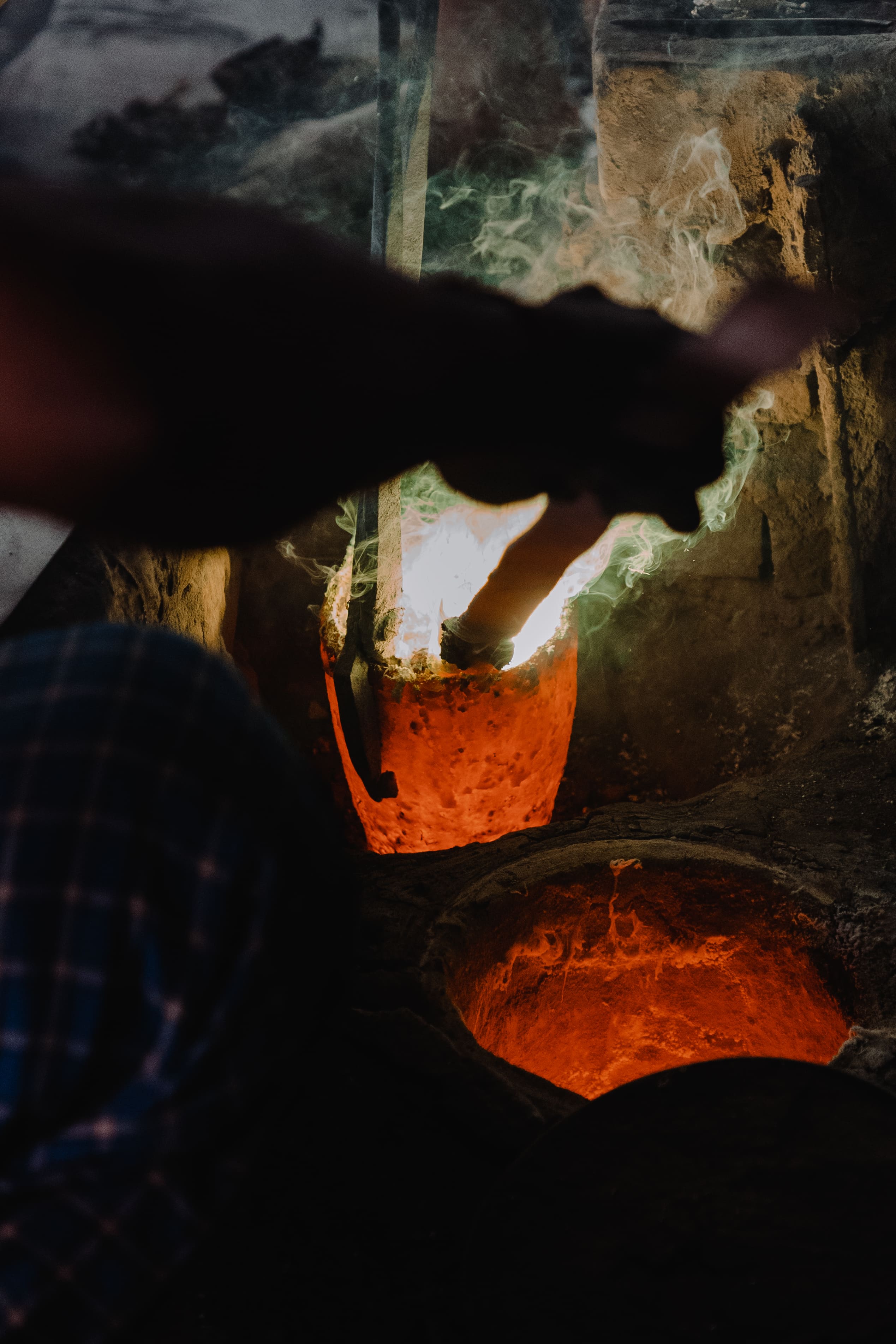
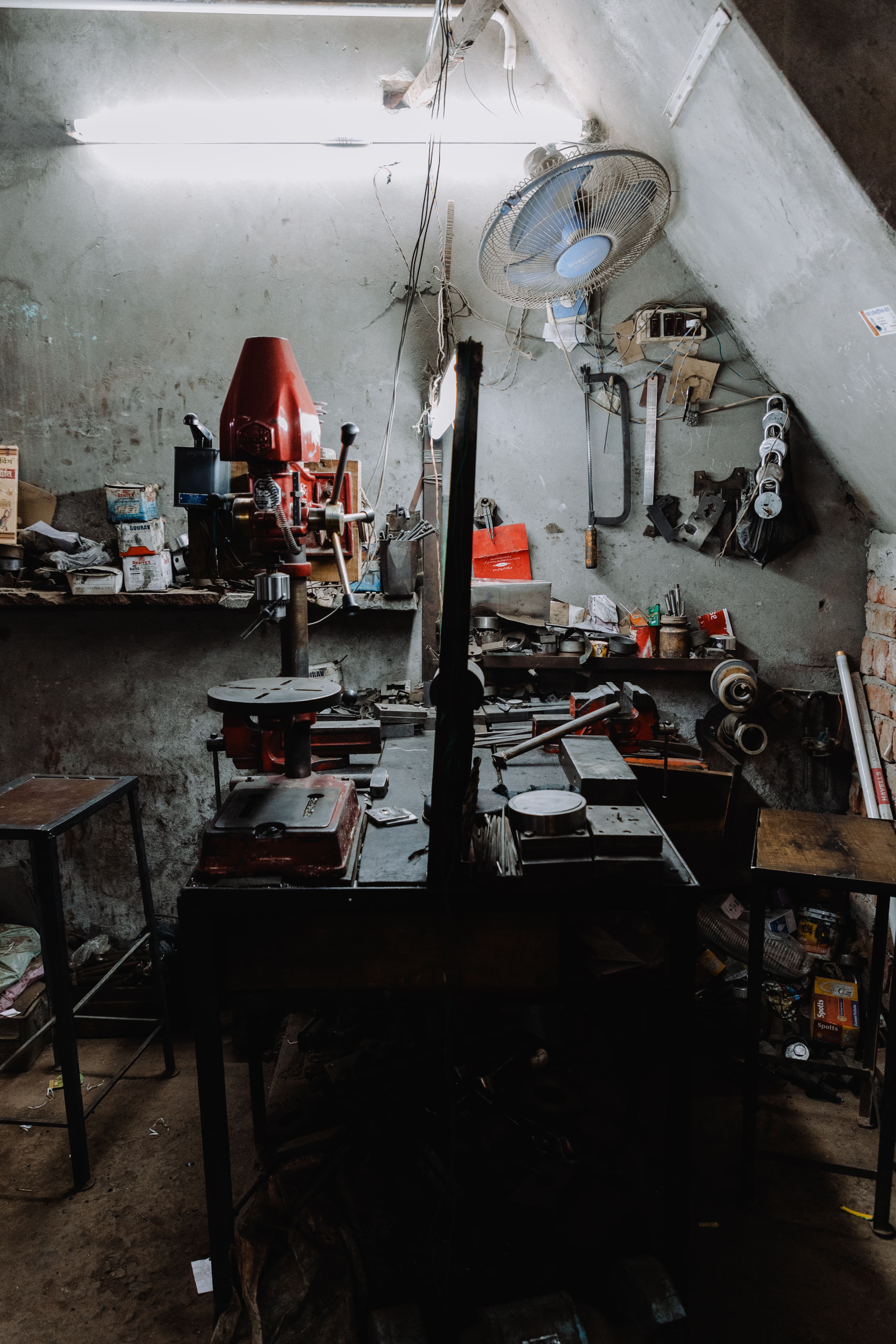
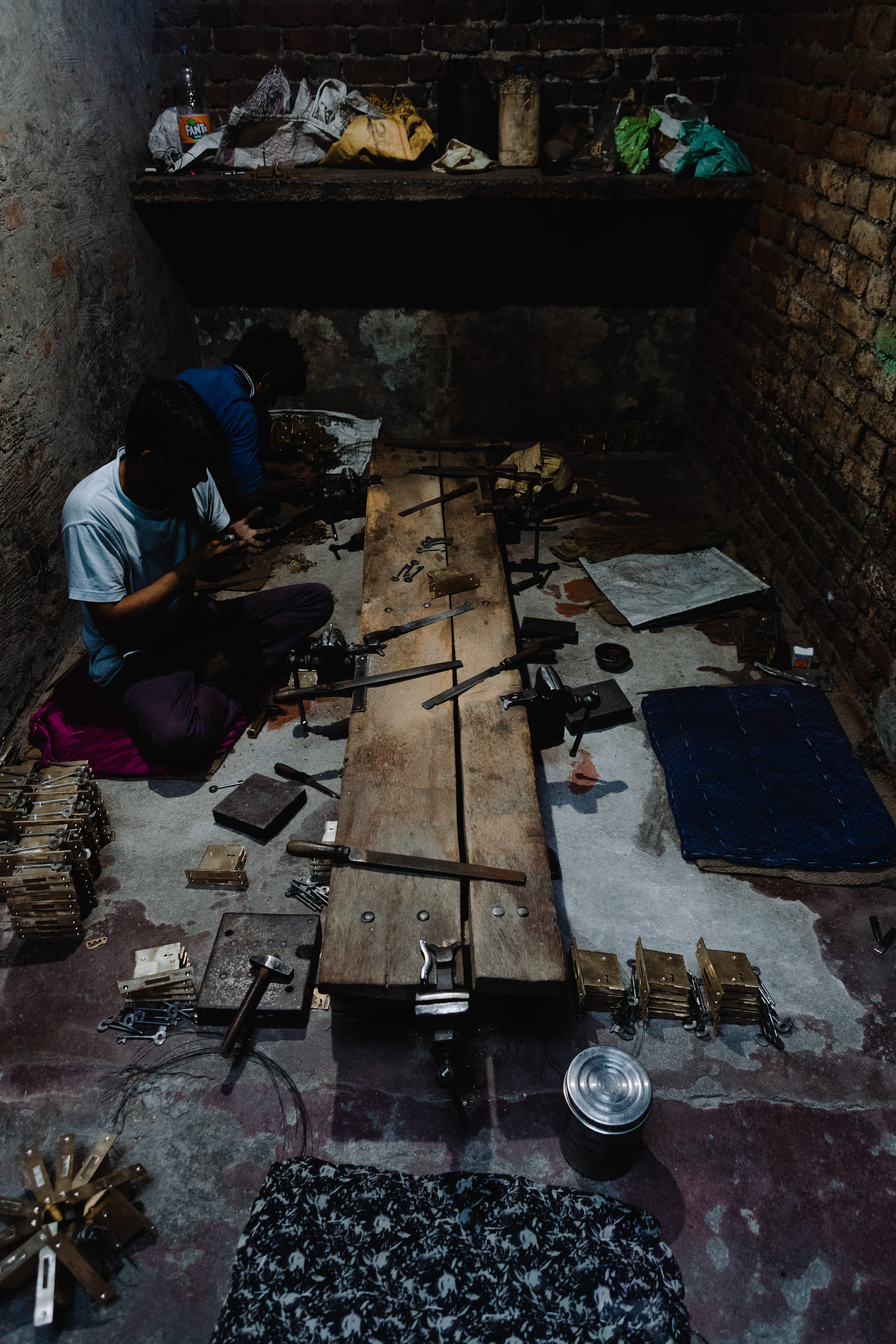
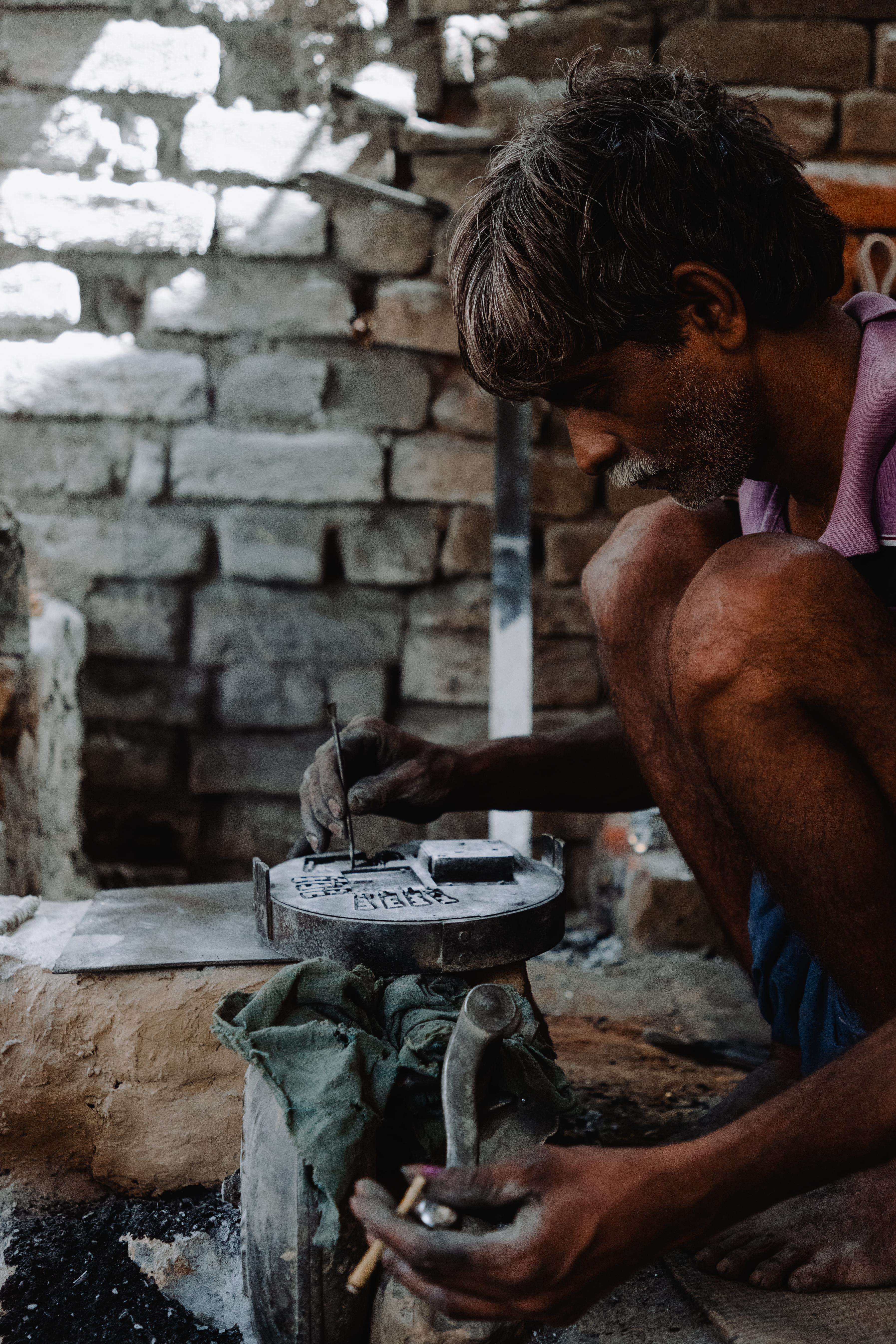
I spent afternoons in narrow lanes off Sasni Gate, where die‑casting shops hum alongside century‑old forges. I watched apprentices file levers, punch keyholes, and hand‑engrave motifs — each action a syllable in a visual dialect passed down through generations. These artisans speak in the language of metal: its heat, its weight, its resonance when tapped. To listen is to hear Aligarh’s heartbeat.
By dusk, I’d retreat to my grandmother’s courtyard, sipping dark roast while she ladled steaming dal chawal. She’d finger an old lock — its brass dulled, its edges softened — and whisper stories of its journeys: through monsoon storms, across dusty trade routes, into the safes of nawabs and bureaucrats alike. In that moment, I felt the tether between past and present, between the lens and the flame.
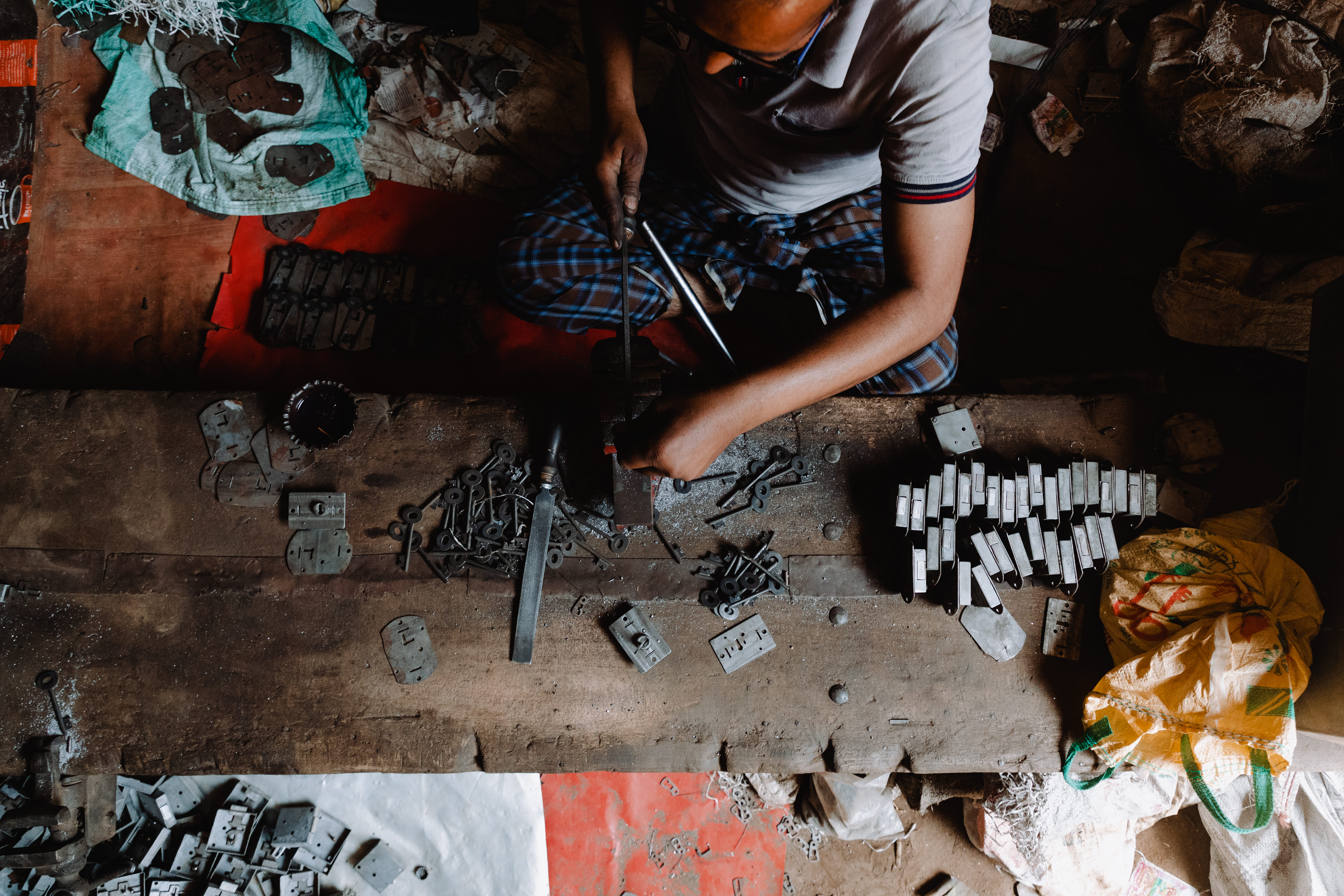
Aligarh’s locks may no longer guard palaces, but they still guard stories — of empire and independence, of decline and resilience. And as long as a single artisan sharpens a file or turns a lathe by hand, the city of locks remains alive.
 ARTMO MAG
Leave a comment