
-
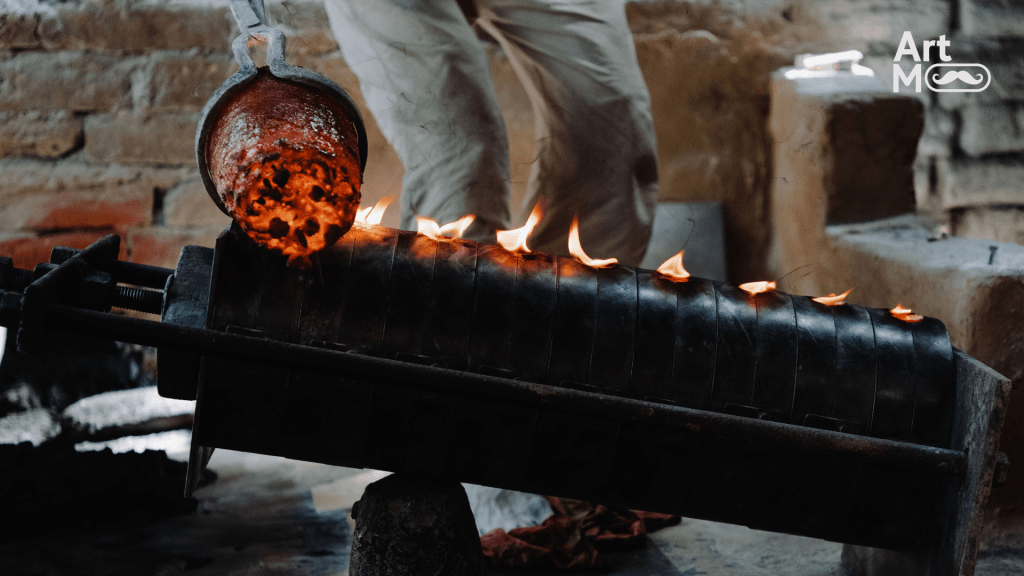
PhotoStory: How a City of Locks Opened the Door to My Cultural Awakening
My journey began with a week’s research, tracing the arc of lock‑making from London’s polished streets to the frenetic alleys of India. But it was only when I returned to Aligarh — my birthplace, tucked in Uttar Pradesh with nothing more than a pouch of dark roast coffee and a bag of thin kurtas —…
-
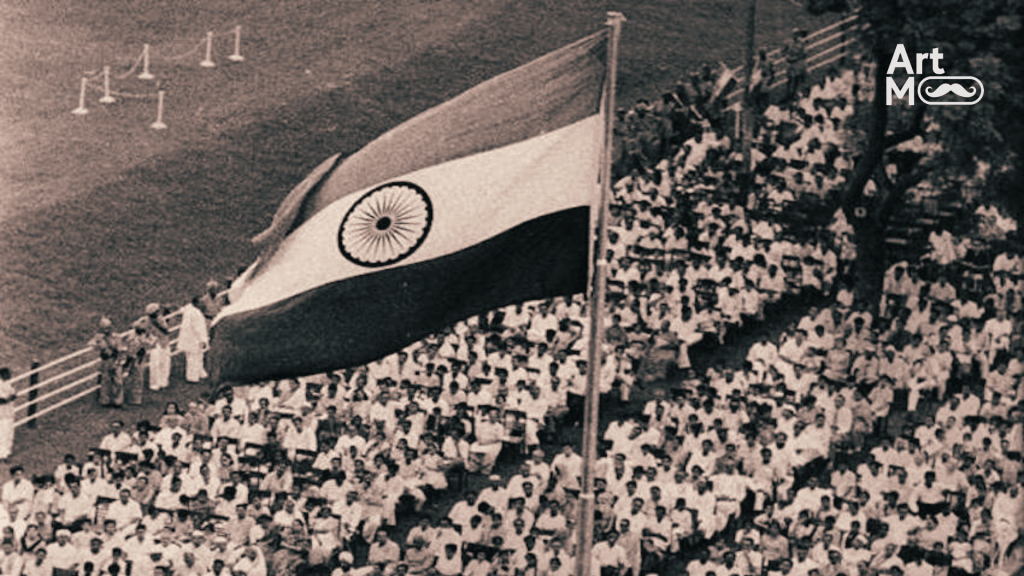
From 1946 to infinity — The need for linguistic resistance in Independent India
It was a typical cold winter morning on December 10, 1946 in Delhi. The city jerked awake with an unusual level of activeness and waltzed through the day with an infectious wave of positive hope. The reason behind the energy in the air was that it was the first day of business for the Constituent…
-
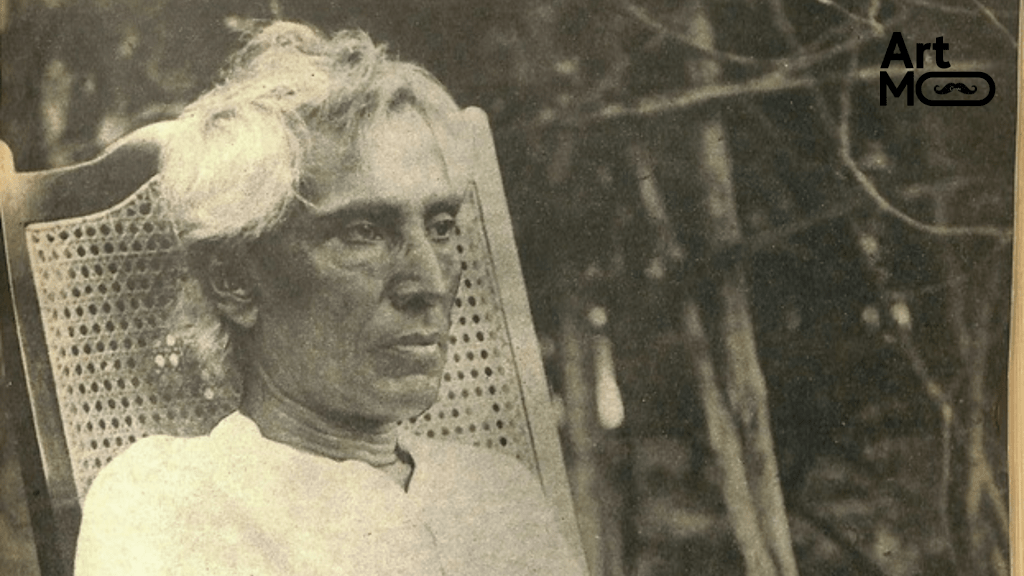
How Did Sarat Chandra Chattopadhyay’s Literature Critique Caste and Gender Hierarchies in Colonial Bengal?
Imagine, if you will, a society where the air itself seems to curdle with unspoken rules—where a woman’s glance, a Dalit’s shadow, or a widow’s sigh could unravel the fragile fiction of “order.” Now place a writer in this world, one who neither brandishes a manifesto nor strikes a martyr’s pose, but instead crafts stories…
-
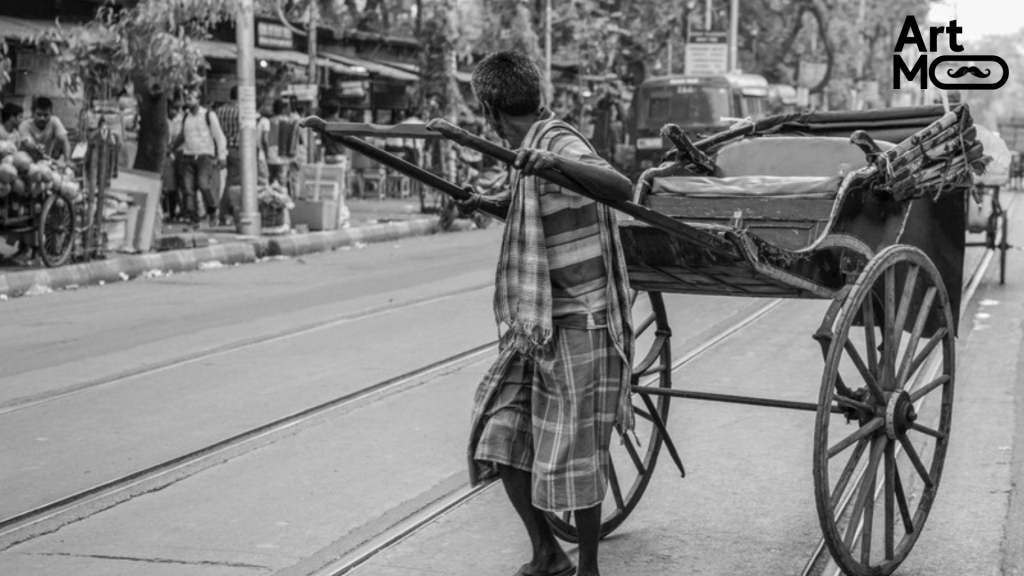
What Economic & Cultural Factors Sustain Kolkata’s hand pulled Rickshaws?
How does a city renowned for its intellectual fervor, a place where street debates about Marx and Tagore can delay traffic, justify a practice that appears, at first glance, to defy every principle of human dignity it claims to champion?
-
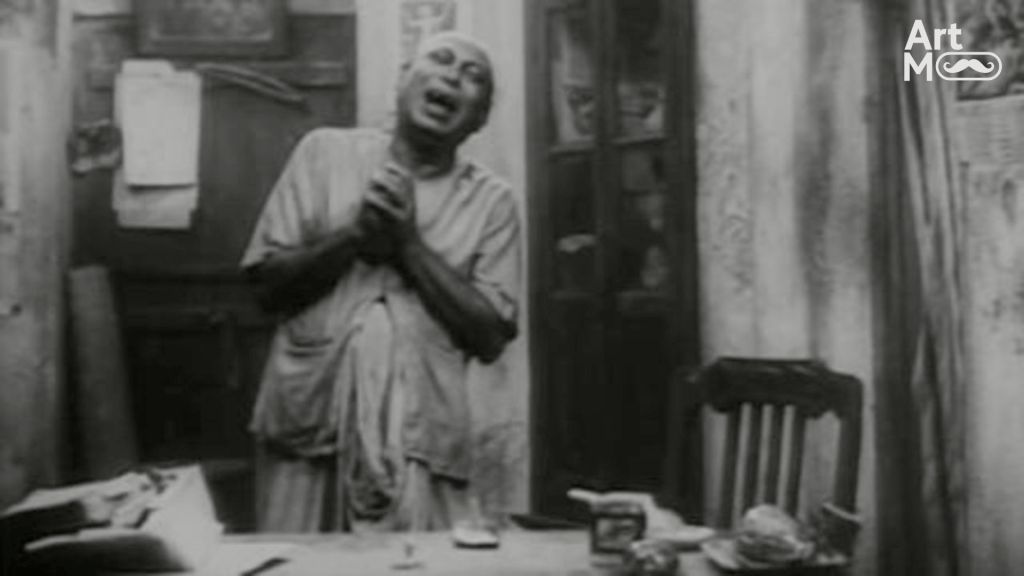
A Historical Analysis of Bengali Cinema’s Satire on Class Divide
If history is written by the victors, Bengali cinema has long been the scribe of the vanquished, inking its narratives with the blood, sweat, and opium fumes of those crushed under the wheels of class.
 ARTMO MAG