
-

Why Young People Should Let Satyajit Ray’s 2k Restored Nayak Shatter Their Instagram Illusions
In a world where the line between persona and person grows thinner by the tweet, Satyajit Ray’s Nayak (1966) returns—not as a sepia-tinted artifact, but as a biting satire draped in existential velvet. Picture this: Uttam Kumar, Bengal’s answer to a matinee demigod, hurtling toward Delhi on a train, his charisma a mask precariously balanced…
-
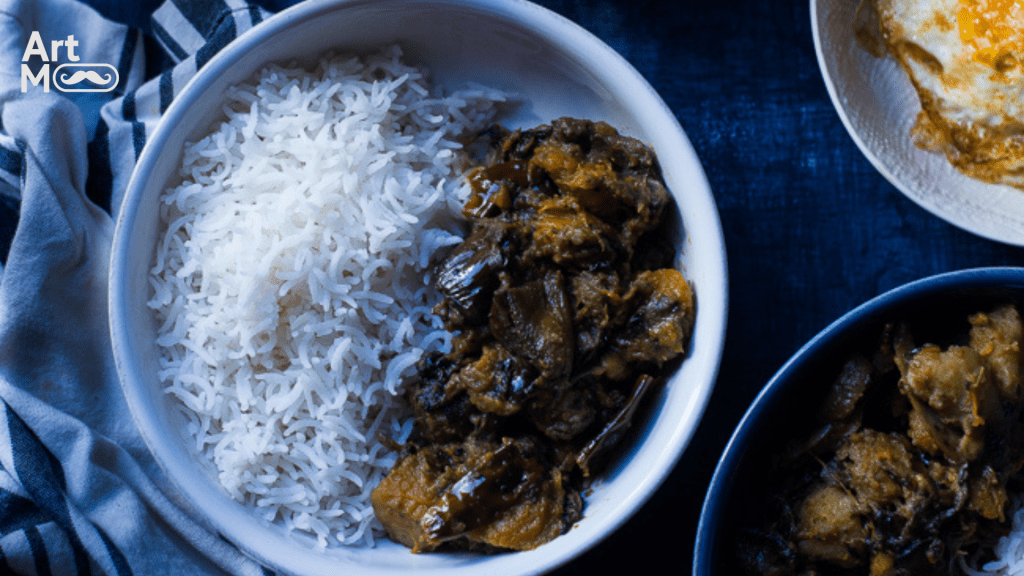
Once a Staple at Bengali Weddings, ‘Chanchra’ Is Now a Fading Memory for the New Generation
‘Chanchra’ has long been a cherished dish in Bengali kitchens. Its ingredients are humble yet hearty — finely chopped potatoes, cubed pumpkin, onions, brinjal, radish, french beans, and other seasonal vegetables, which vary with each family’s habit. Essentially, it is a comforting mash of vegetables (sometimes even their peels), herbs, spices, and the less fleshy…
-
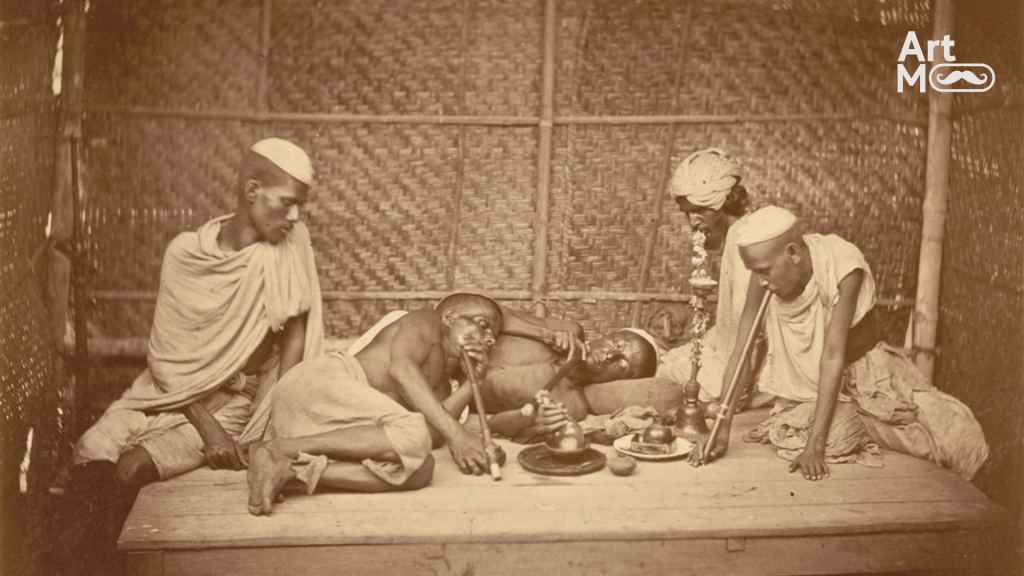
How Bengal Was Once the ‘Opium’ Capital of the British Empire
A cautionary tale of how commerce, when divorced from ethics, can enslave even its architects.
-
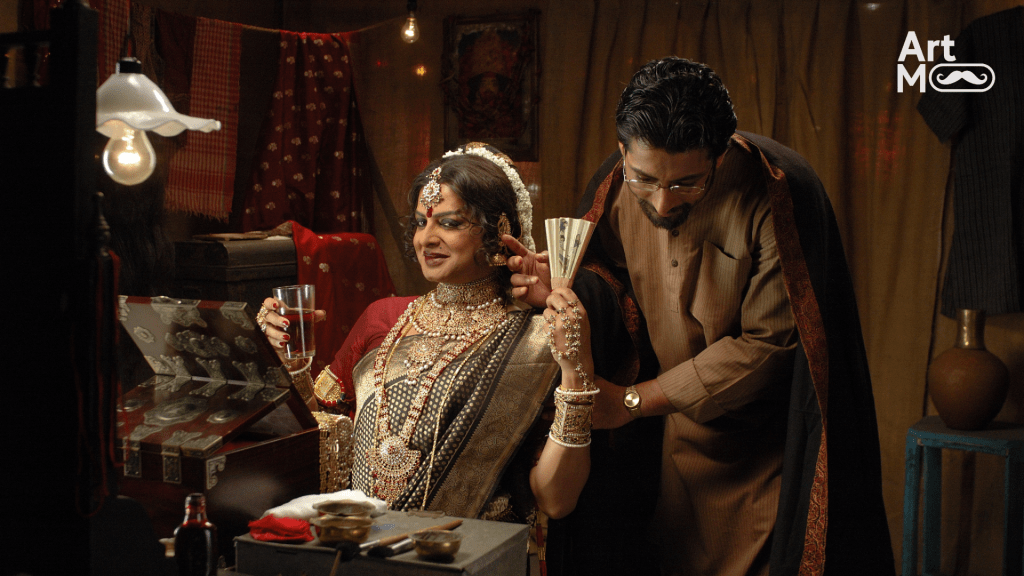
How Rituparno Ghosh Redefined Sexuality and Gender in Bengali Cinema
In films like Chitrangada: The Crowning Wish (2012) and The Last Lear (2007), Ghosh moves beyond conventional narrative forms to interrogate the prevailing structures that define and confine individual experience. His approach is neither sentimental nor didactic; instead, it offers a measured critique of the societal norms that underpin the performative aspects of gender and identity.
-

The Role of Mishti and Bengali Cuisine in Symbolic Storytelling in Film
In Bengali cinema, as in life, mishti (sweets) are not mere props; they are narrative alchemists, transforming sugar and milk into metaphors for love, loss, identity, and resistance.
 ARTMO MAG